Seeing elephants is high on many Thailand wish lists, and rightly so — but the industry around them ranges from genuinely ethical sanctuaries to places that exploit and harm the animals. Choosing well matters enormously for the elephants' welfare, and it's not always obvious from the marketing. Here's how to tell the difference and find a sanctuary worth your money.
Why this matters
Elephants used in tourism have often endured harsh training to make them submit to rides and tricks. Many venues still offer elephant riding, painting, or circus-style shows — activities that can involve cruelty and that the animals are not naturally suited to. A growing number of genuine sanctuaries, by contrast, rescue elephants from those industries and let them live as naturally as possible, with tourism limited to respectful observation and care. Where you spend your money directly shapes which model thrives.
Red flags: avoid places that offer these
Steer clear of any venue that allows or promotes:
Elephant riding — especially with heavy seats (howdahs) on the elephant's back, which can damage their spines. Even bareback riding is discouraged by most welfare advocates.
Performances and tricks — elephants painting, playing instruments, or doing circus shows, all of which require coercive training.
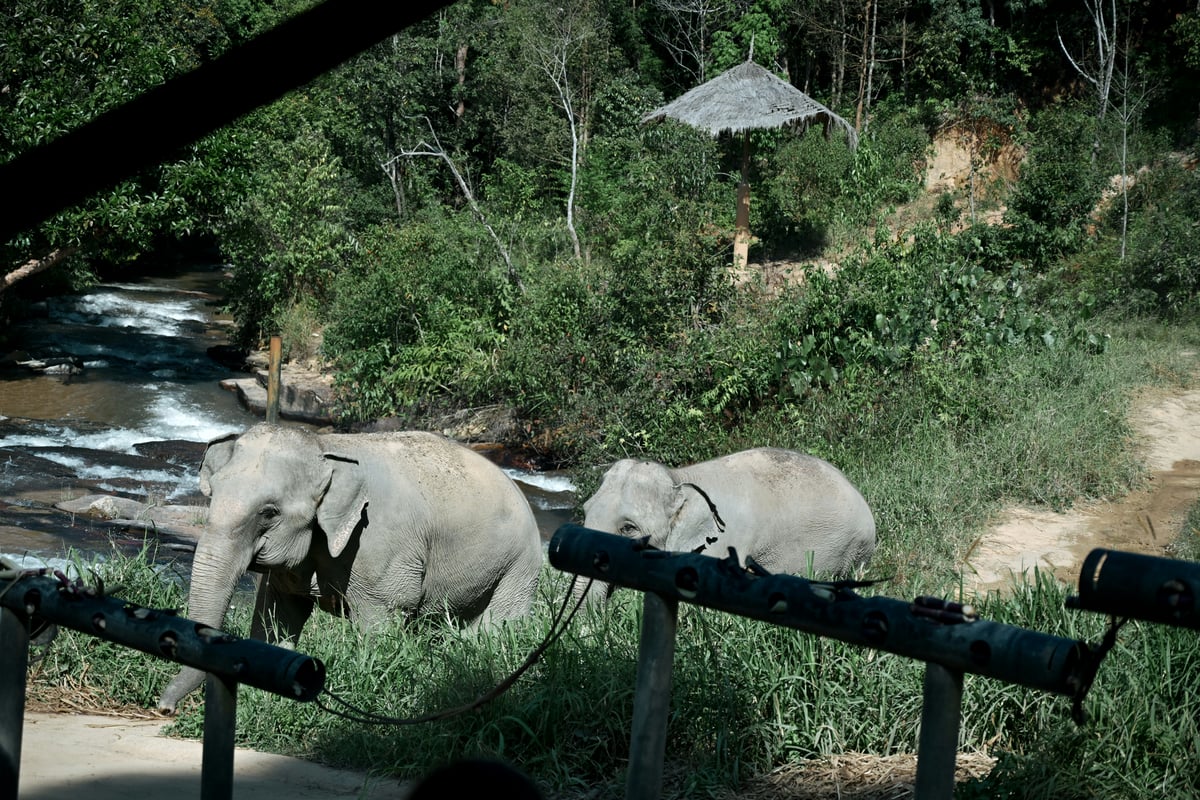
Chains and confinement — elephants kept on short chains or in small enclosures rather than able to roam.
Bullhooks — handlers using sharp hooks to control the animals through fear and pain.
Marketing language is a clue too: be wary of places that call themselves a "sanctuary" but still advertise riding and shows. The word alone guarantees nothing.
Green flags: what genuine sanctuaries look like
Look for places that:
Don't allow riding at all — the single clearest signal of an ethical operation.
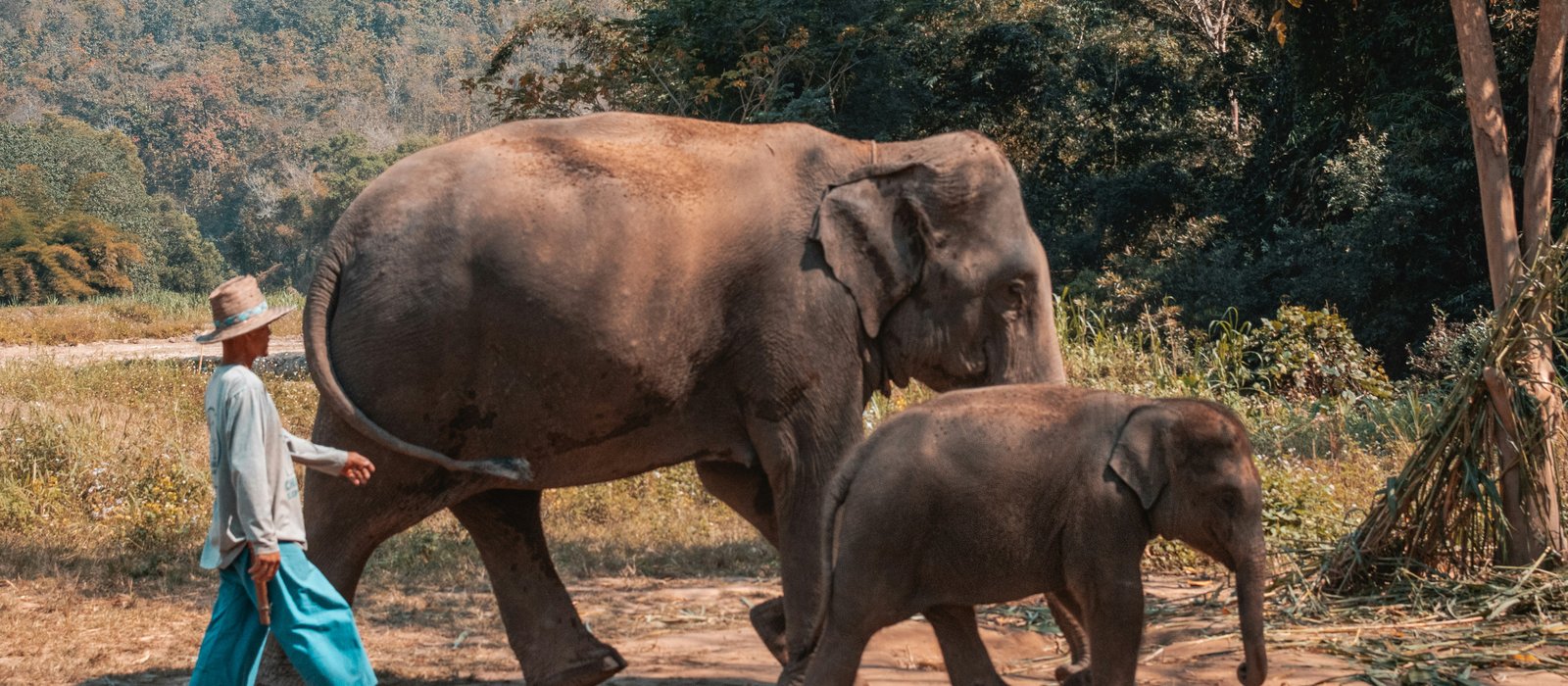
Let elephants roam in large natural areas and socialize in herds, rather than performing or being chained.
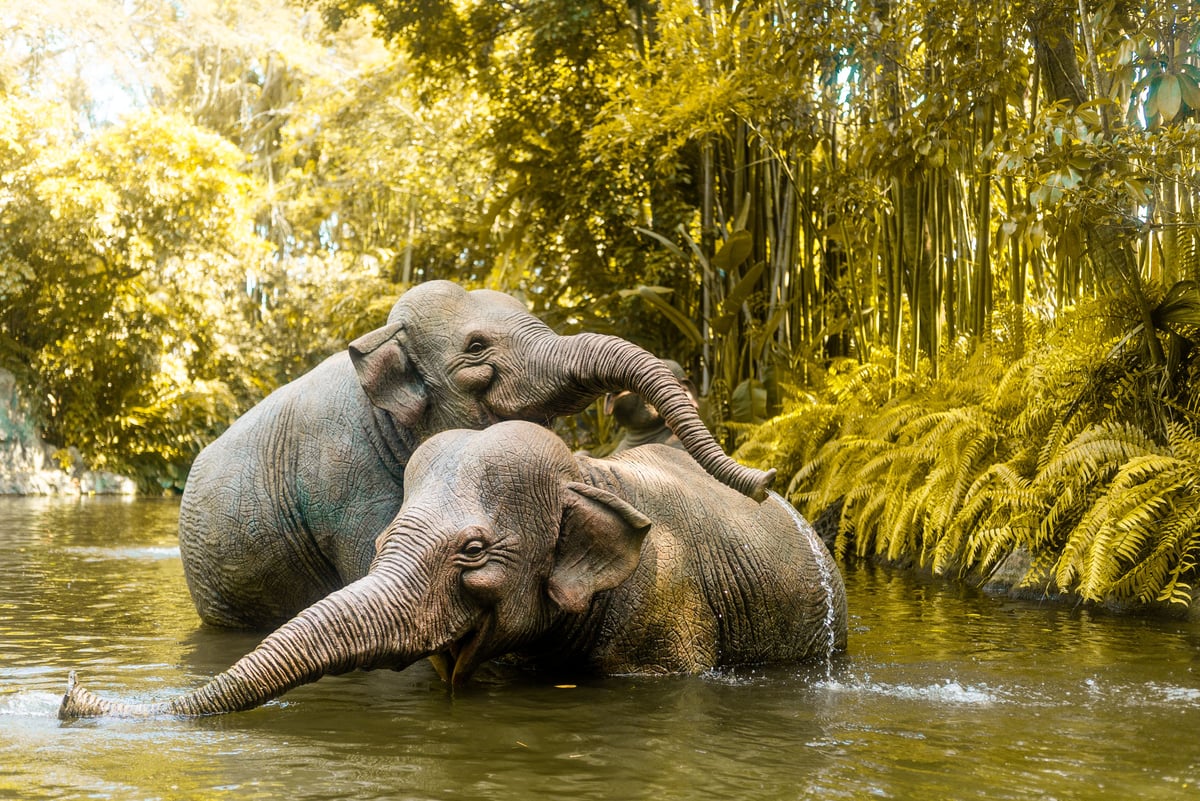
Limit interaction to observation, walking alongside, and sometimes feeding or bathing — and increasingly, some of the best sanctuaries are moving toward hands-off, observation-only models.
Are transparent about their rescue stories, their funding, and how they care for the animals.
Cap visitor numbers and prioritize the elephants' wellbeing over tourist photo opportunities.
Why riding is the key dividing line
If you remember only one thing, make it this: whether a place offers elephant rides is the single most reliable test of its ethics. Elephants don't naturally carry people, and getting them to accept a rider — and a heavy seat — typically involves a brutal traditional training process to break the young animal's spirit. The seats themselves can injure an elephant's spine over time. A venue that has chosen not to offer rides has usually rethought its entire relationship with the animals; one that still does, whatever it calls itself, has not. Use that as your filter before looking at anything else.
How to research before you book
Do a little homework rather than booking the first "sanctuary" you see advertised. Read recent independent reviews with a critical eye, looking specifically for mentions of riding, chains, or shows. Check the sanctuary's own description of what a visit involves — and what it doesn't. Look for affiliations with recognized animal-welfare organizations. And be a little skeptical of any operation that emphasizes how much you'll get to touch or ride the elephants rather than how well the elephants are treated.
Where to find them
The Chiang Mai area in northern Thailand is the best-known hub for ethical elephant sanctuaries, with several well-regarded rescue-based operations, though good ones exist elsewhere too. A visit is typically a full day including transport, and booking ahead is wise since the best places limit numbers. It's one of the most memorable experiences in Thailand when done responsibly, and choosing well means your visit actively supports elephant welfare rather than undermining it. Prices vary by operation; check a live converter rather than a fixed figure:
100 USD ≈ … THB (enable JavaScript for today's rate)
FAQ
How do I know if an elephant sanctuary is ethical?
The clearest signal is that it doesn't allow riding, performances, or tricks. Genuine sanctuaries let elephants roam in herds, limit interaction to observation and care, and are transparent about their rescue work.
Is it OK to ride elephants in Thailand?
Welfare advocates strongly discourage it. Riding — especially with heavy seats — can harm elephants and usually follows coercive training. Choose observation-based sanctuaries that don't offer rides.
Where are the best ethical elephant sanctuaries?
The Chiang Mai area in northern Thailand is the main hub for reputable rescue-based sanctuaries, though good ones exist elsewhere. Research recent reviews and book ahead, as the best limit visitor numbers.
Can I still bathe or feed elephants at an ethical sanctuary?
Often yes, though some of the best sanctuaries are moving toward hands-off, observation-only models for the animals' wellbeing. Feeding and walking alongside are common; riding and shows are the things to avoid.
Keep planning
Not sure how it all fits together?
Pick your trip length and we'll route a real day-by-day plan.