Thailand's calendar is packed with vibrant festivals — from nationwide water fights to skies full of lanterns — and timing your trip around one (or simply knowing what's on) can add unforgettable color to your visit. Many follow the lunar calendar, so exact dates shift yearly. Here's a guide to Thailand's best festivals and roughly when they happen, so you can either plan a trip around one or simply know what to look out for while you're there.
Note: many festival dates follow the lunar calendar and change each year. Always confirm the specific year's dates if you're planning around one.
Songkran (Thai New Year) — April
The biggest and most famous, Songkran (mid-April, usually around the 13th–15th) marks the traditional Thai New Year and is celebrated with an exuberant nationwide water fight. Streets across the country turn into joyous battles of water guns and buckets, with Chiang Mai and Bangkok's Khao San Road among the liveliest spots. Beneath the fun lie gentle traditions of cleansing and respect. It's chaotic, soaking, and a huge amount of fun — just protect your electronics in a waterproof bag and accept that you will get completely drenched the moment you step outside, whether you join in or not.
Loy Krathong & Yi Peng — November
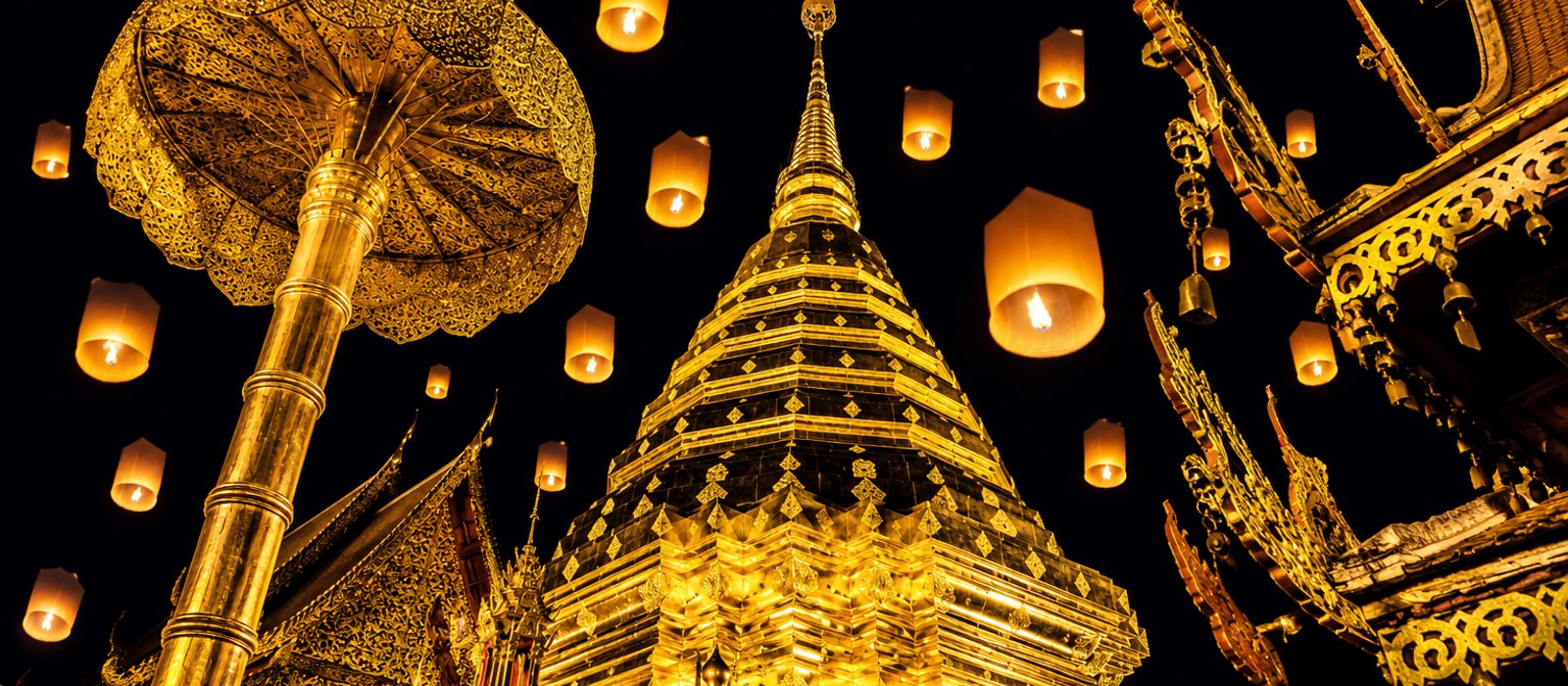
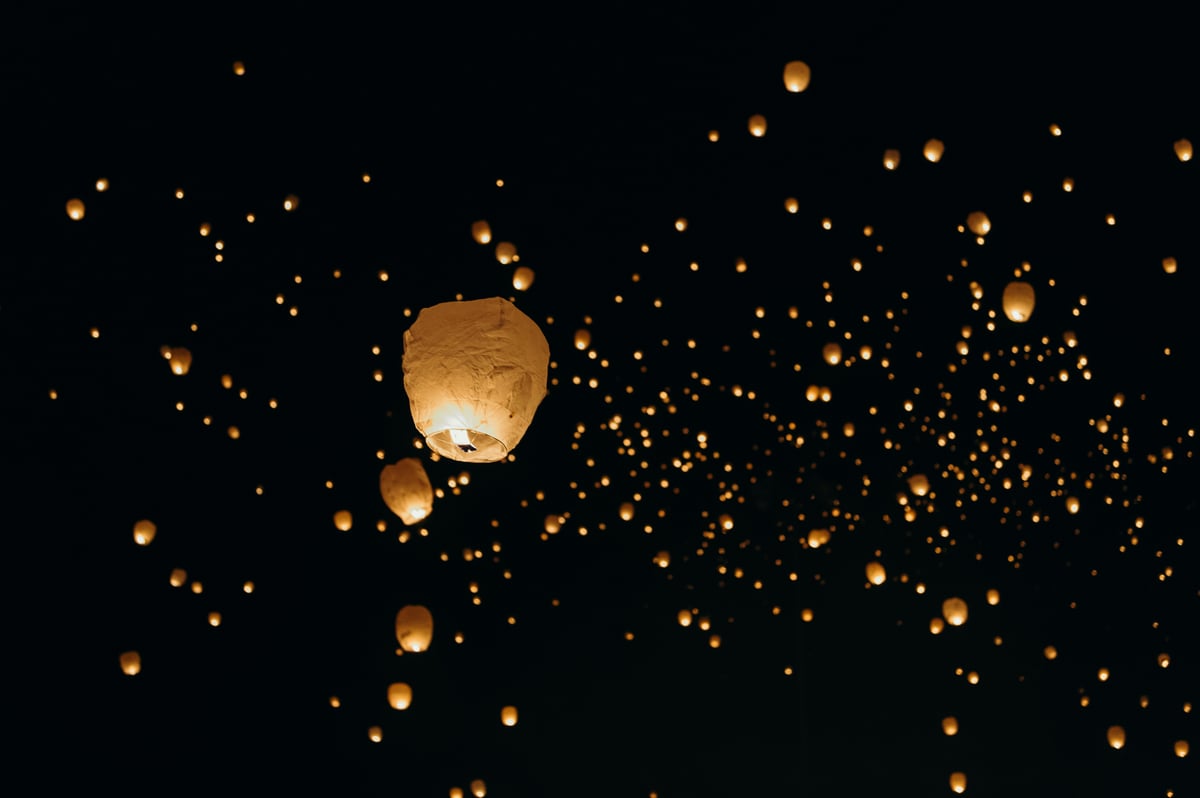
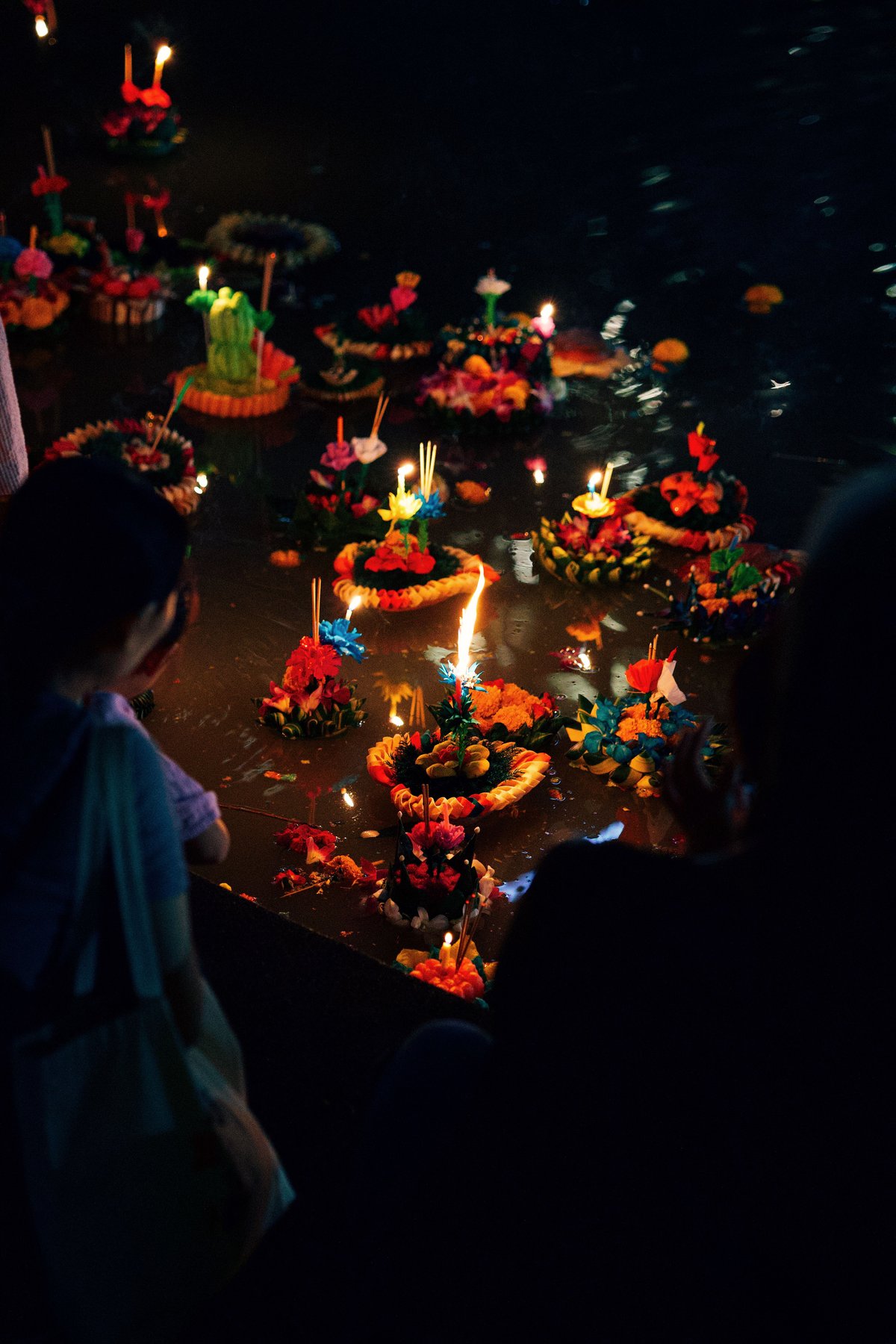
Usually in November (on the twelfth lunar month's full moon), these twin festivals are the most beautiful. Loy Krathong sees candle-lit floats released on rivers nationwide, while Yi Peng in the north (especially Chiang Mai) fills the sky with paper lanterns. The combination — glowing water and glowing sky — is magical, and Chiang Mai is the place to experience it (book far ahead).
Other festivals worth knowing
Beyond the big two, the calendar is rich. The Vegetarian Festival (around September–October, biggest in Phuket) features meat-free feasting and dramatic rituals. The Phi Ta Khon "Ghost Festival" in Isan (around June–July) is famous for its colorful masks. The Yasothon Rocket Festival (May) sees homemade rockets fired to bring rain. The Surin Elephant Round-up (November) and various candle festivals dot the year, along with Chinese New Year celebrations (around January–February) in Bangkok's and Phuket's Chinatowns.
Religious and royal observances
Several Buddhist holy days — like Makha Bucha, Visakha Bucha, and Asanha Bucha (dates vary by lunar calendar) — are observed nationwide with candlelit temple processions and a calm, reverent atmosphere; note that alcohol sales are banned on these days. Royal and national days also feature. These quieter observances offer a more contemplative side of Thai culture than the boisterous festivals.
Regional and seasonal celebrations
Part of what makes Thai festivals special is how they vary by region, so where you are shapes what you'll see. The north (Chiang Mai) shines at Yi Peng and Songkran, both spectacular there. The northeast (Isan) has its own distinctive calendar — the Phi Ta Khon ghost masks, the Rocket Festival, and silk and candle celebrations rooted in farming and rain cycles. Phuket and the south are known for the intense Vegetarian Festival. And Bangkok hosts grand versions of the national festivals plus vibrant Chinatown celebrations. Even small towns hold local temple fairs throughout the year, so wherever you travel, there's a decent chance some celebration is happening nearby — ask locals what's on during your visit.
How to plan around festivals
If you want to experience a specific festival: confirm the exact dates for your year (many are lunar); book accommodation and flights very early, as popular festivals (especially Songkran and Yi Peng) fill up and prices spike; expect crowds and plan logistics accordingly; and engage respectfully, remembering these are cultural and often spiritual occasions, not just spectacles. Even if you don't plan around one, checking what's on during your dates can be a delightful bonus. For budgeting the festival-season premium, a live converter helps:
100 USD ≈ … THB (enable JavaScript for today's rate)
FAQ
What is Thailand's biggest festival?
Songkran, the Thai New Year in mid-April, celebrated with a joyous nationwide water fight. Chiang Mai and Bangkok's Khao San Road are among the liveliest places to experience it.
When is the lantern festival in Thailand?
Yi Peng and Loy Krathong fall together, usually in November on the twelfth lunar month's full moon (dates change yearly). Chiang Mai is the place to see the sky lanterns; book far ahead.
Are festival dates fixed each year?
Many follow the lunar calendar and shift annually — Loy Krathong, Yi Peng, and the Buddhist holy days especially. Songkran is fixed around April 13–15. Always confirm the specific year's dates.
Should I plan my trip around a Thai festival?
If a festival like Songkran or Yi Peng appeals, it's worth it for an unforgettable experience — just book very early, expect crowds and higher prices, and engage respectfully with what are cultural and often spiritual occasions.
Keep planning
Not sure how it all fits together?
Pick your trip length and we'll route a real day-by-day plan.