Americans arriving in Thailand for tourism receive a visa exemption stamp at immigration. That stamp can usually be extended once, at an immigration office, for a fee. The process is routine and the details are rarely written down anywhere useful. Here they are.
This matters more than it used to. Until 15 September 2026 the exemption ran 60 days, and almost no holiday outgrew it — extensions were the business of long-stayers. The allowance is now 30 days, so a five-week trip, a slow island-hopping route or a stay built around a diving course runs into the limit where it previously would not have. The extension is what takes you back to roughly the old length.
What an extension gives you
A tourist extension adds 30 days to the permission already stamped in your passport. The fee is 1,900 baht, paid in cash at the immigration office.
It extends the existing permission rather than resetting it — the new date runs from the expiry of the current stamp, not from the date you apply.
Where to apply
At a Thai Immigration Bureau office. These exist in Bangkok and in the provincial centres, including the main tourist areas, so applying does not usually mean travelling far.
What to bring
Your passport
The TM7 application form (available at the office)
A passport-size photograph
Photocopies of your passport photo page and current entry stamp
Proof of your address in Thailand may also be requested. Requirements can vary between offices, and bringing more copies than you think you need costs nothing.
Timing
Processing is usually same-day, particularly if the application goes in early in the day. Some offices process while you wait; others take the passport for a few hours.
The application is made near the expiry of the current permission rather than well in advance. That timing has a consequence worth noticing: the extension has to happen while you are still legally in the country, in a particular place, during office hours, on a working day — which means it is a constraint on where you are in the last few days of your permitted stay, not just a piece of paperwork.
How many times
Commonly once per entry for a visa exemption or tourist visa. Anything beyond a single extension is discretionary rather than routine. One extension on top of the current 30 days gives roughly 60 days in total — the same ceiling the exemption used to grant outright, now reached in two steps with a fee and an office visit in the middle.
This is an area where policy has changed more than once, so the position at the time of a specific trip is worth confirming rather than assuming from any guide, including this one.
Border runs
Leaving Thailand and re-entering produces a new entry stamp. It is a different mechanism from an extension — a new permission rather than a longer one.
Repeated back-to-back entries attract additional scrutiny at immigration, and admission on a visa exemption is at the officer's discretion rather than automatic.
Since 15 September 2026 there is also a hard limit rather than just a frown: entering visa-free across a land border is capped at two visa-exempt entries per calendar year. Arrivals by air and sea are not limited, so this does not touch a normal fly-in holiday — but it does end the practice of stepping over a border and straight back to reset the clock a third time. Where a border run was once the cheap alternative to an extension, for land crossings it is now rationed.
Check the stamp
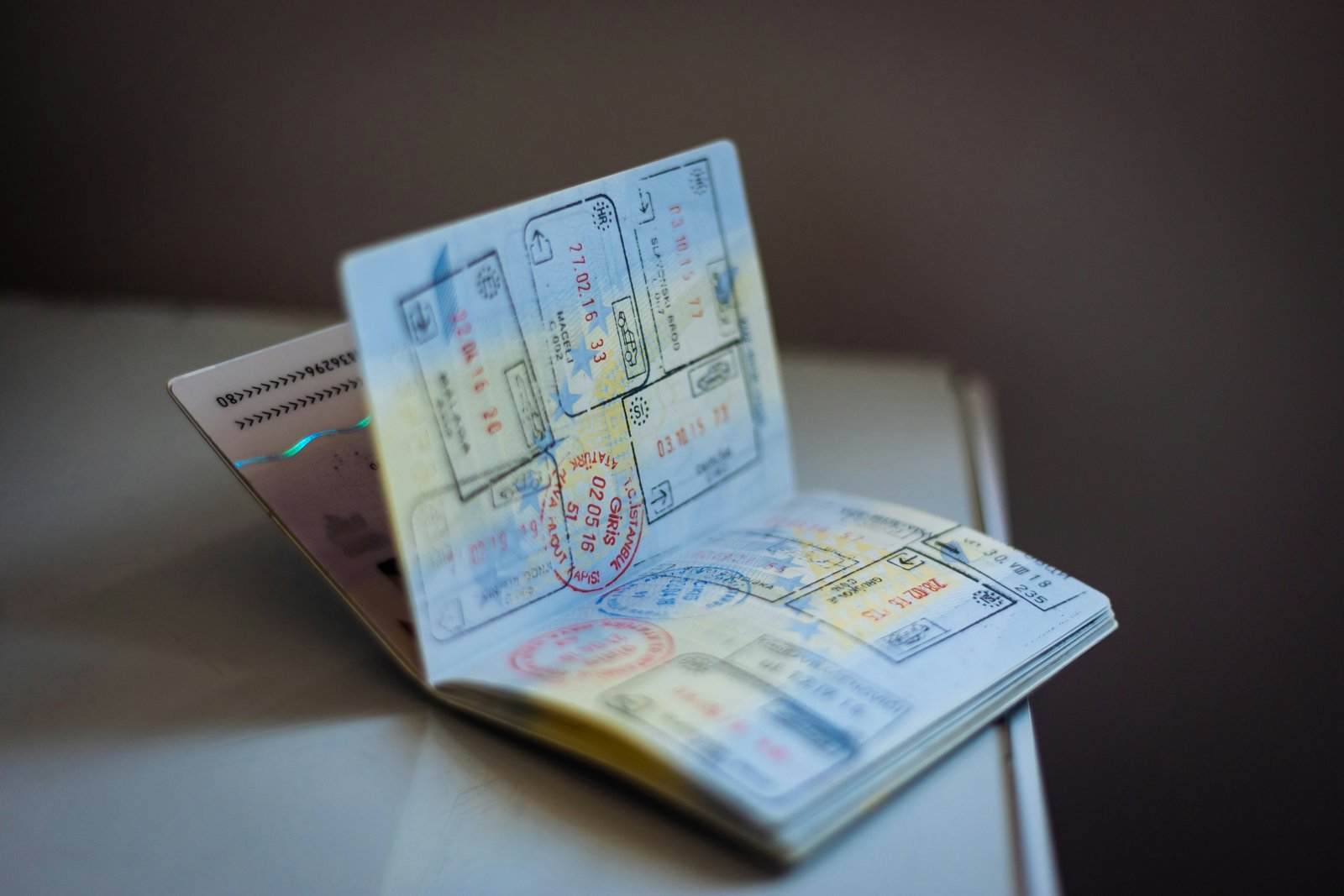
The date written on the entry stamp is the date that governs — not the length of the exemption in the abstract, and not what a booking site said. Immigration officers write an "admitted until" date, and that is the legal deadline.
Verifying it before leaving the immigration desk takes a few seconds. What happens when the assumed date and the stamped date differ is covered in our guide to entry refusal and overstay in Thailand.
Where this sits in a trip
Whether an extension is needed at all depends on trip length, and whether it is convenient depends on where the itinerary has you in its final week. Those get decided months apart — trip length when flights are booked, position in the last week when the route is planned — and the extension question only surfaces at the intersection.
How the entry rules interact with itinerary length and shape is worked through in the complete Thailand trip guide.
FAQ
How long is a Thai tourist extension?
30 days, added to the permission already stamped in your passport. The new date runs from the expiry of the current stamp, not from the application date.
How much does a visa extension cost in Thailand?
1,900 baht, paid in cash at a Thai Immigration Bureau office.
What do I need for a Thai visa extension?
Passport, the TM7 form available at the office, a passport photo, and photocopies of your passport photo page and entry stamp. Proof of address may also be requested, and requirements vary between offices.
Can I extend more than once?
Commonly once per entry for a visa exemption or tourist visa. Beyond that is discretionary, and this is an area where policy has changed more than once.
Does a border run work instead?
Leaving and re-entering produces a new entry stamp rather than an extension. Repeated back-to-back entries attract additional scrutiny, and admission on a visa exemption is at the officer's discretion.