Handling money well in Thailand saves you fees and hassle. It's a largely cash-based society for everyday spending, with cards accepted in more upscale settings, and there are a few quirks — like ATM fees and exchange tips — worth knowing. Here's a practical guide to managing your baht.
The currency
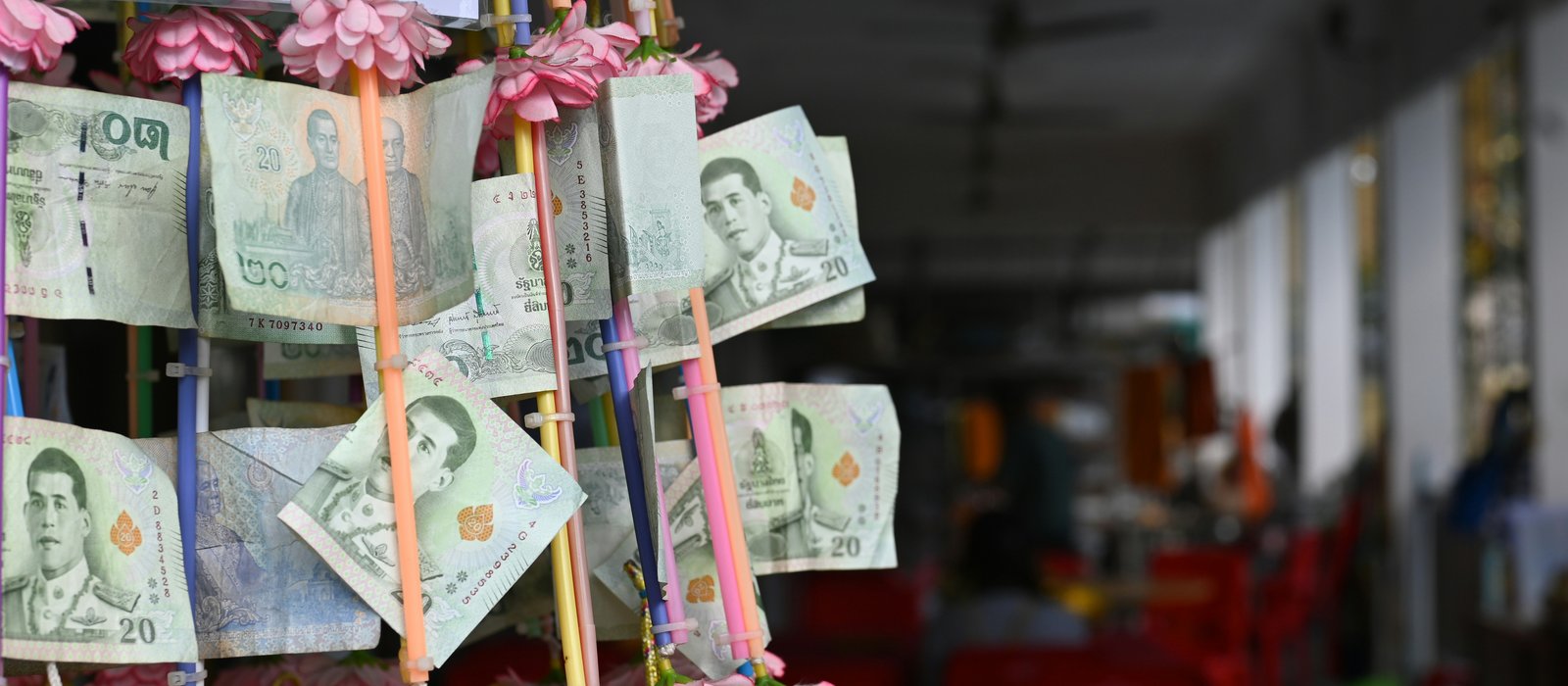
Thailand's currency is the Thai baht (THB), symbol ฿. Notes come in 20, 50, 100, 500, and 1,000 baht; coins in smaller denominations. The exchange rate against the dollar moves daily, so check a current rate rather than assuming a fixed value:
100 USD ≈ … THB (enable JavaScript for today's rate)
Keep a mix of denominations — small notes are handy for street food, markets, taxis, and tuk-tuks, where breaking a 1,000-baht note can be a hassle.
Cash vs. cards
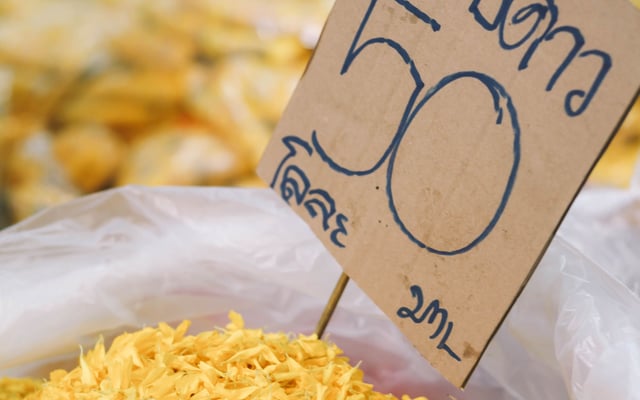
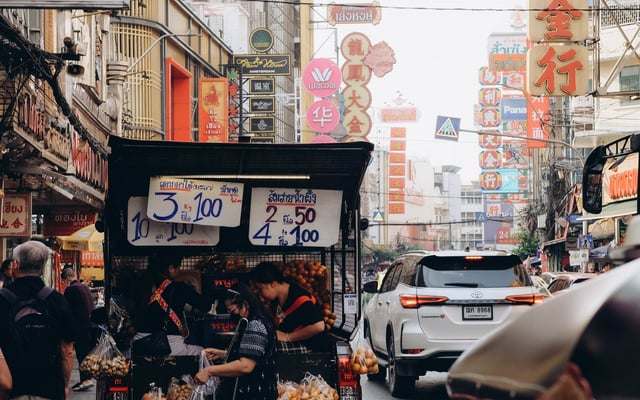
Thailand is still largely cash-based for everyday spending. You'll need cash for street food, markets, small vendors, tuk-tuks, songthaews, and most rural areas. Cards are accepted at hotels, malls, chain and upscale restaurants, and many city businesses, but don't rely on them everywhere. The local QR-payment system (PromptPay) is ubiquitous among Thais but generally requires a Thai bank account, so it's not an option for most tourists. The practical approach: carry enough cash for daily needs, and use cards for bigger payments where accepted.
ATMs and fees
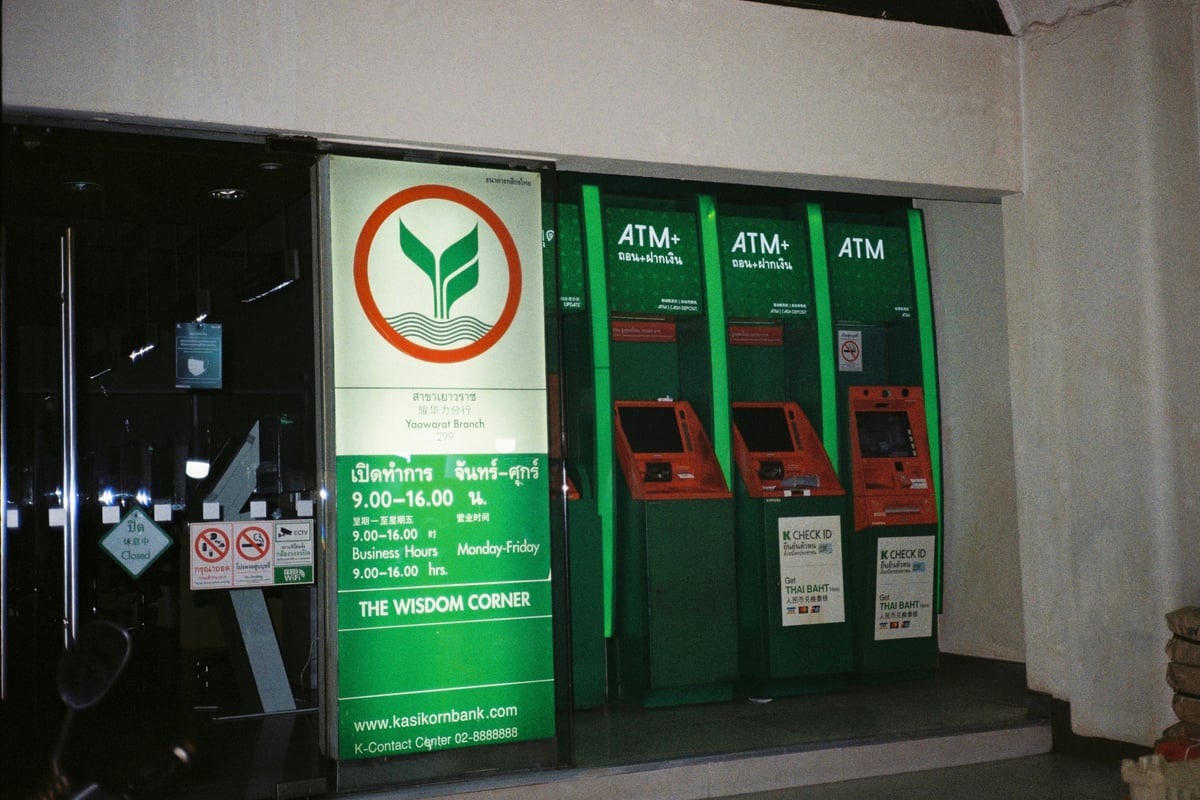
ATMs are everywhere in cities and tourist areas and accept major international cards (Visa, Mastercard). The catch: Thai ATMs charge a foreign-card withdrawal fee of about ฿220 per transaction, on top of whatever your home bank charges. Because this fee is per-withdrawal, the smart move is to withdraw larger amounts less frequently rather than making many small withdrawals. Check whether your home bank refunds foreign ATM fees or has partner networks, and always choose to be charged in baht, not dollars, when the machine asks (declining the "dynamic currency conversion" gets you a better rate).
Exchanging currency
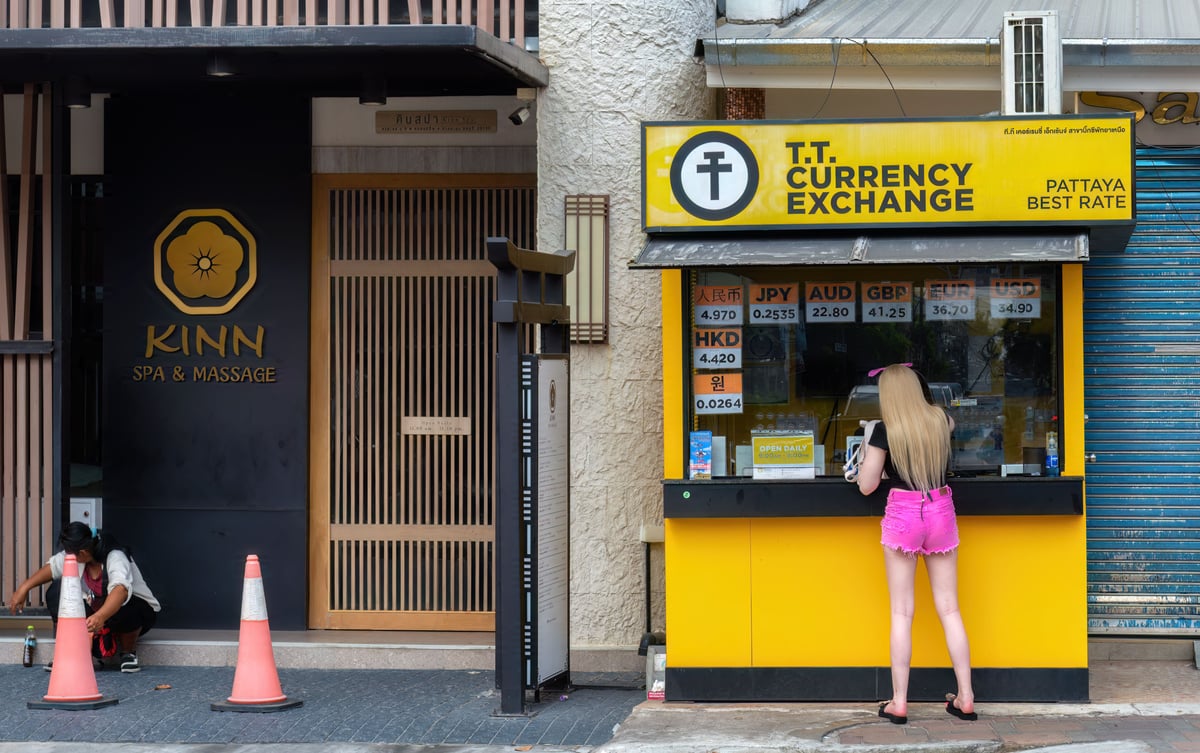
If you bring dollars to exchange, you'll generally get better rates at dedicated exchange booths (like the well-known orange Super Rich booths in Bangkok) than at airport counters or hotels, which tend to offer poor rates. Exchange a small amount at the airport if you need immediate cash, then use better-rate booths or ATMs in the city. Bring crisp, undamaged bills, as torn or marked notes are sometimes refused.
Tipping customs
Tipping is not a deeply ingrained obligation in Thailand the way it is in the U.S., but it's appreciated and increasingly expected in tourist areas. As a guide: round up taxi fares, leave small change or 20–50 baht at restaurants (check first whether a 10% service charge is already added, common at upscale places), tip hotel porters a small amount, and tip spa and massage therapists and tour guides if you're happy with the service. Don't feel pressured into American-style percentages — modest tips are the norm.
Cards, fees, and avoiding surprises
A few card details save money and stress. Use a card with no foreign-transaction fees for purchases where cards are accepted — many travel-oriented credit cards waive these, saving roughly 3% on every transaction. For cash, a debit card that refunds or waives foreign ATM fees is ideal given Thailand's per-withdrawal charges. Always notify your bank of your travel dates so your cards aren't frozen for suspicious foreign activity, and carry more than one card stored separately in case one is lost, blocked, or eaten by an ATM. These small preparations prevent the most common money headaches travelers hit in Thailand.
Practical money tips
To sum up: carry cash for daily spending and keep small notes handy; use cards for bigger payments where accepted; minimize ATM fees by withdrawing larger amounts and choosing baht over dollars; exchange at good-rate booths, not airports or hotels; tip modestly where appropriate; and notify your bank of travel to avoid card blocks. Keep some cash in reserve separate from your wallet, too, in case of loss or theft.
FAQ
Should I use cash or card in Thailand?
Both — Thailand is largely cash-based for everyday spending (street food, markets, taxis, rural areas), while cards work at hotels, malls, and upscale restaurants. Carry cash for daily needs and use cards for bigger payments.
Do Thai ATMs charge fees?
Yes — a foreign-card fee of about ฿220 per withdrawal, on top of your home bank's fees. Withdraw larger amounts less often to minimize it, and always choose to be charged in baht, not dollars, for a better rate.
Where's the best place to exchange money in Thailand?
Dedicated exchange booths (like Bangkok's Super Rich) offer better rates than airport counters or hotels. Exchange a little at the airport for immediate needs, then use better-rate booths or ATMs in the city.
How much should I tip in Thailand?
Modestly — it's appreciated but not obligatory. Round up taxis, leave small change or 20–50 baht at restaurants (check for an added service charge), and tip porters, therapists, and guides small amounts for good service.