Street food isn't just a cheap way to eat in Thailand — it's some of the best food in the country, full stop. From sizzling woks to grills and noodle carts, the streets serve dishes that rival anything in a restaurant, for a fraction of the price. For many visitors, eating their way through the street stalls is a highlight of the whole trip. Here's what to eat, how to order, and how to do it safely.
Why Thai street food is special
In Thailand, street food is a serious culinary tradition, not an afterthought. Vendors often specialize in a single dish perfected over years or generations, and locals eat from stalls daily. The result is fresh, fast, flavorful food cooked in front of you — and it's astonishingly cheap. Bangkok's street food is world-famous, but you'll find excellent stalls all over the country, each region with its specialties.
The must-try street dishes
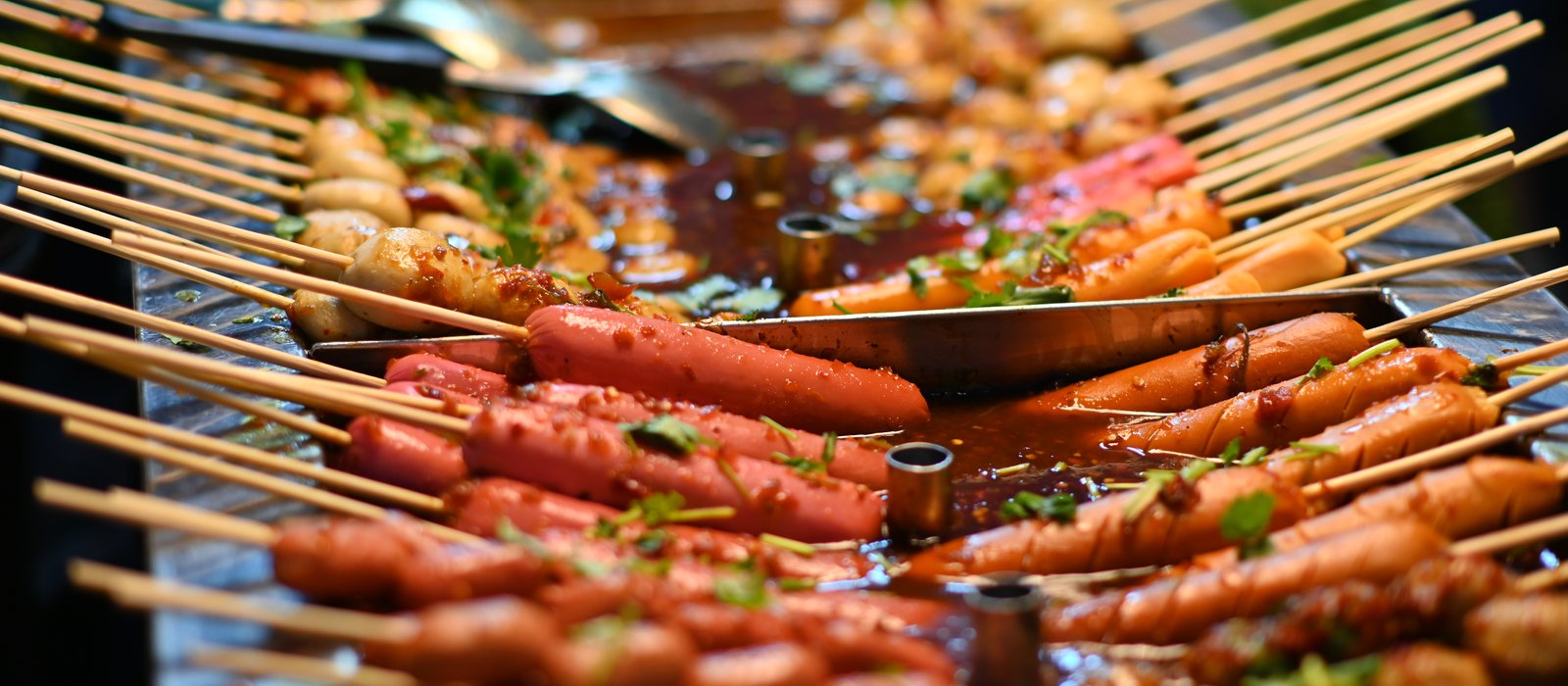
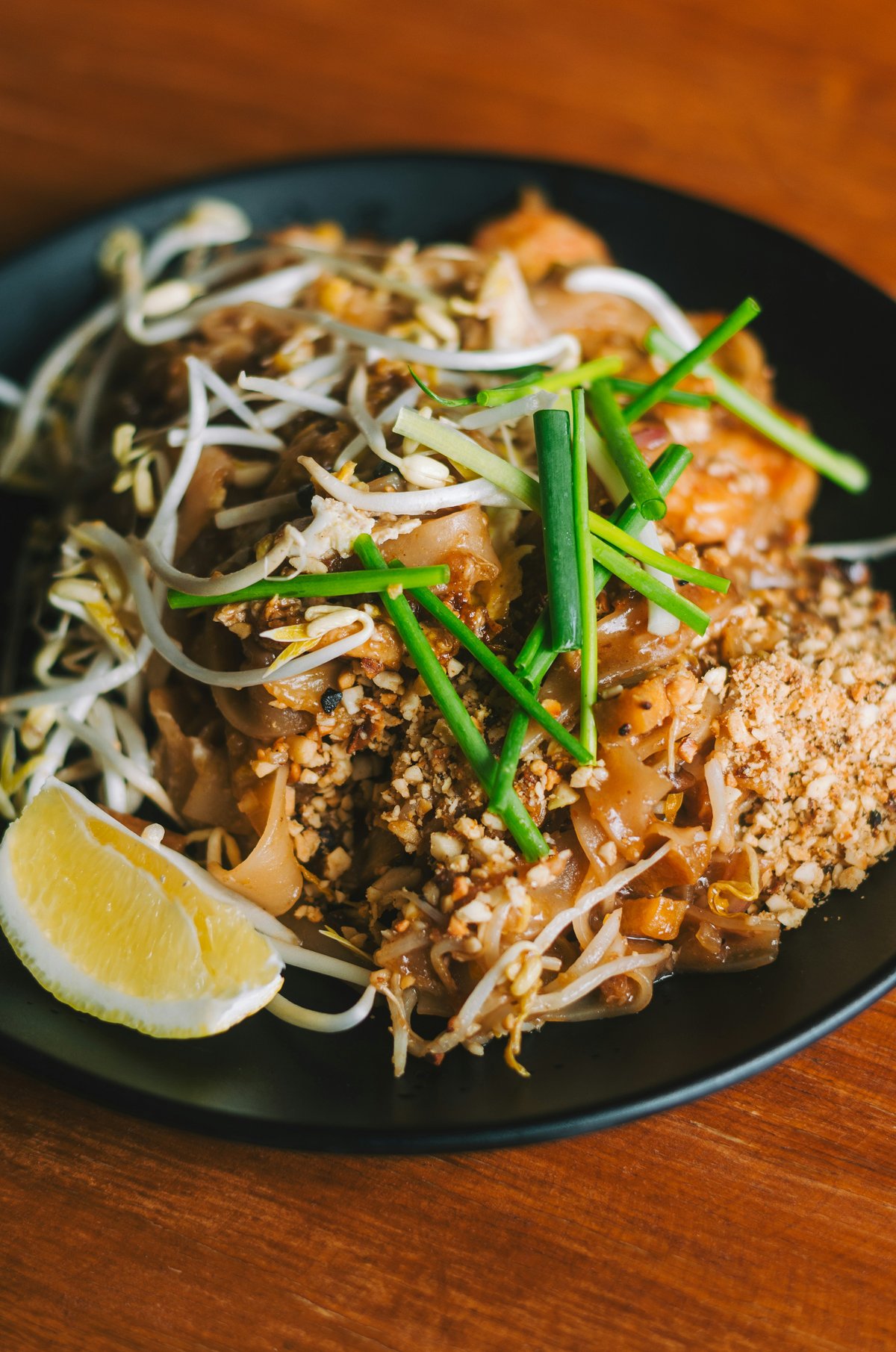
Start with the classics: pad thai (stir-fried noodles), pad krapow (basil stir-fry with minced meat and a fried egg over rice — a local staple), som tum (spicy green papaya salad), satay (grilled skewers with peanut sauce), and grilled meats and seafood. Try the noodle soups (boat noodles, khao soi in the north), mango sticky rice and other sweets, fresh fruit and fruit shakes, and regional specialties wherever you are. Half the fun is pointing at what looks good and trying something new.
How to find the best stalls
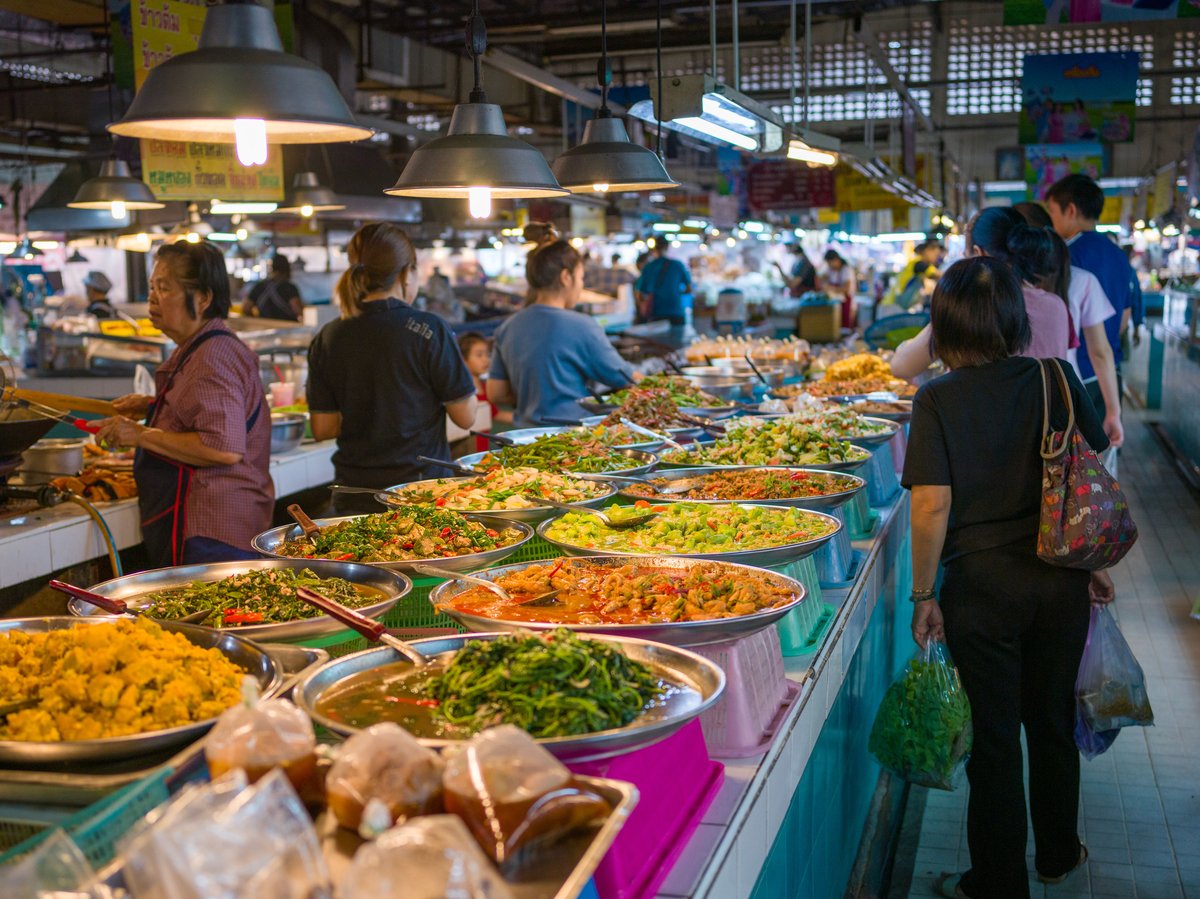
The golden rule: follow the crowds. A stall busy with locals signals fresh food, fast turnover, and quality — and is also safer. Look for vendors who specialize in one or a few dishes (a sign of expertise), where you can see the food cooked fresh, and where ingredients look clean and well-handled. Markets, designated street-food streets (like Bangkok's Yaowarat in Chinatown), and areas where office workers and families eat are reliable bets. Don't be put off by humble plastic-stool setups — they're often the best.
How to order
Ordering is easy even without Thai. Point at what you want or at what someone else is eating, hold up fingers for quantity, and learn a few words: "mai phet" (not spicy), "phet nit noi" (a little spicy), and "aroi" (delicious — always appreciated). Many stalls have pictures or English on popular tourist streets. Have small cash notes ready, since stalls don't take cards. A smile goes a long way.
How to eat street food safely
Thai street food is generally very safe, and these habits keep it that way: choose busy stalls with high turnover (fresh food, not sitting around); eat food cooked fresh and hot in front of you; be a little cautious with raw items, pre-cut fruit left out, and uncooked shellfish; drink bottled water (ice in established places is usually fine); and give your stomach a day or two to adjust to new ingredients and spice. Carry rehydration salts just in case. With common sense, eating from stalls is one of the safest and most rewarding things you'll do in Thailand.
Street food by region
Thailand's street food shifts as you travel, which makes eating your way around the country a journey in itself. In Bangkok, Chinatown's Yaowarat is the legendary street-food strip, and the city excels at noodles, grilled skewers, and an endless variety of one-plate rice dishes. In the north around Chiang Mai, look for khao soi, sai ua sausage, and the dips and sticky rice of Lanna cuisine at the walking-street markets. In the northeast (Isan), the famous trio of som tum, grilled chicken, and sticky rice rules the stalls. And in the south, expect bold curries and superb fresh seafood. Seeking out each region's street specialties is one of the great pleasures of traveling Thailand.
Make the most of it
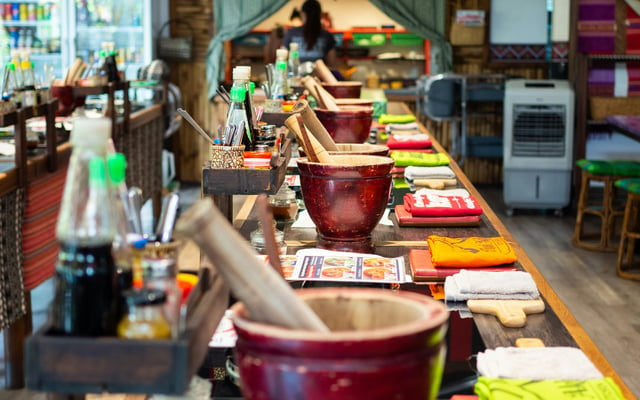
To get the best out of Thai street food: take a guided street-food tour early in your trip to learn what's what and discover stalls you'd never find alone; eat where locals eat; try regional specialties as you travel; and be adventurous — some of the best things you'll eat are dishes you can't name. It's cheap enough to sample widely; check a live converter rather than a fixed figure:
100 USD ≈ … THB (enable JavaScript for today's rate)
FAQ
Is Thai street food safe to eat?
Generally very safe — choose busy stalls with high turnover, eat food cooked fresh and hot, be cautious with raw items and pre-cut fruit, and drink bottled water. Street food is often the best eating in Thailand.
What street food should I try in Thailand?
Pad thai, pad krapow (basil stir-fry with fried egg), som tum (papaya salad), satay skewers, grilled meats and seafood, noodle soups, and mango sticky rice — plus regional specialties wherever you are.
How do I order street food without speaking Thai?
Point at what you want or what others are eating, hold up fingers for quantity, and learn a few words like "mai phet" (not spicy) and "aroi" (delicious). Have small cash notes ready, as stalls don't take cards.
How do I find the best street food stalls?
Follow the locals — a stall busy with Thai customers means fresh, high-quality food and fast turnover. Look for vendors specializing in one dish, cooking fresh in front of you. Markets and street-food streets are reliable.
Keep planning
Not sure how it all fits together?
Pick your trip length and we'll route a real day-by-day plan.