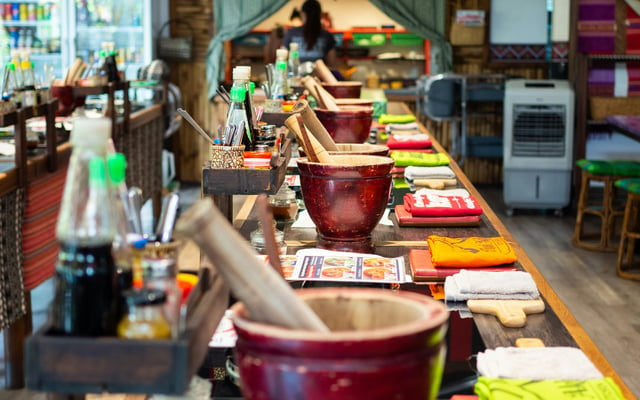
Thai food is one of the great reasons to visit Thailand, and eating your way through the country is a highlight in itself. But the menus can be overwhelming and the spice levels intimidating for first-timers. This guide covers the dishes to order, how to manage the heat, and how to eat well wherever you are.
The essential dishes to try
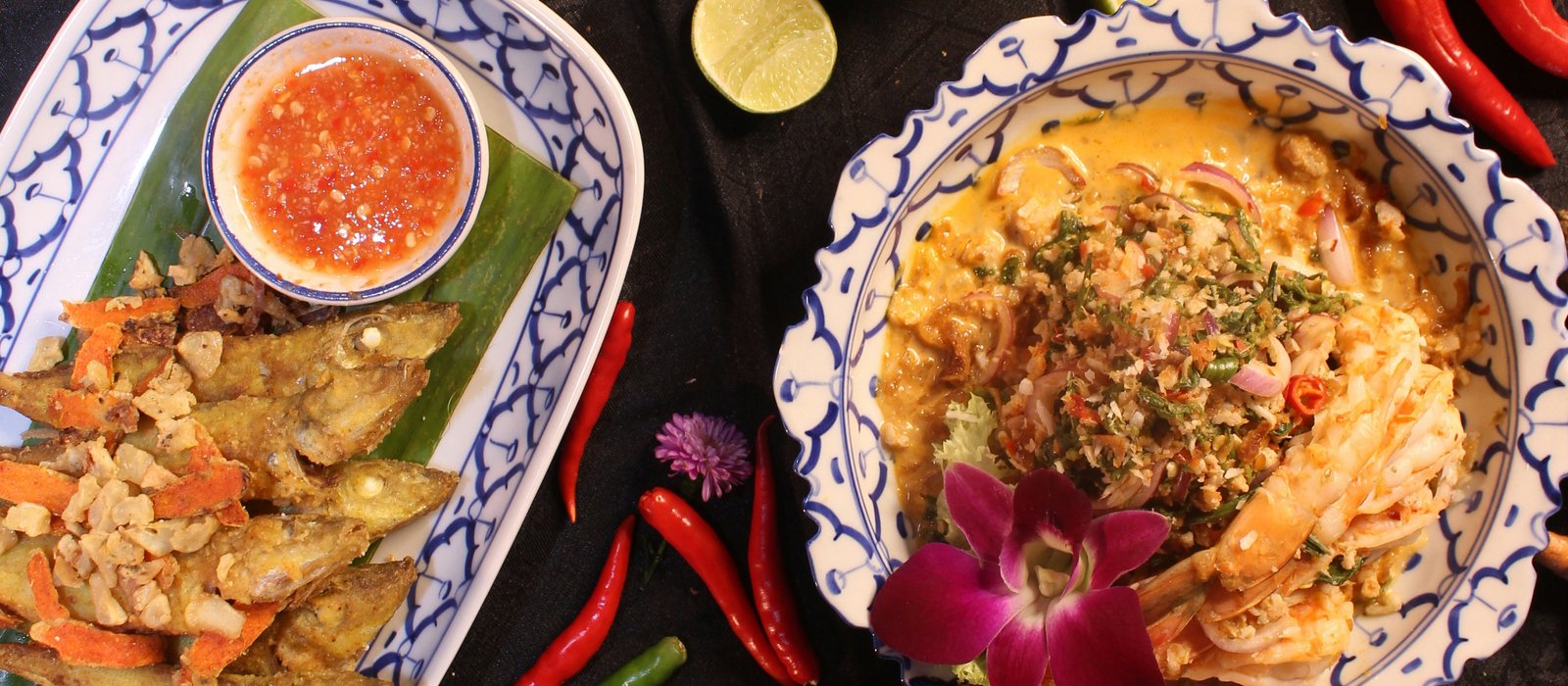
Start with the classics that define Thai cuisine. Pad Thai (stir-fried rice noodles) is the famous gateway dish. Tom yum goong is the iconic hot-and-sour shrimp soup; tom kha gai is its milder, coconut-based cousin. Green, red, and massaman curries range from fiery to mild and rich. Som tum (green papaya salad) is a punchy, spicy favorite, and pad krapow (stir-fried basil with minced meat over rice, often topped with a fried egg) is the beloved everyday dish Thais eat constantly. Don't leave without trying mango sticky rice, the perfect sweet ending. Beyond these headliners, keep an eye out for khao man gai (Thai-style poached chicken and rice), satay skewers with peanut sauce, and the endless variety of noodle soups sold from stalls — Thai food rewards the adventurous orderer, and pointing at what looks good on a neighbor's table is a perfectly good strategy.
Regional specialties worth seeking out
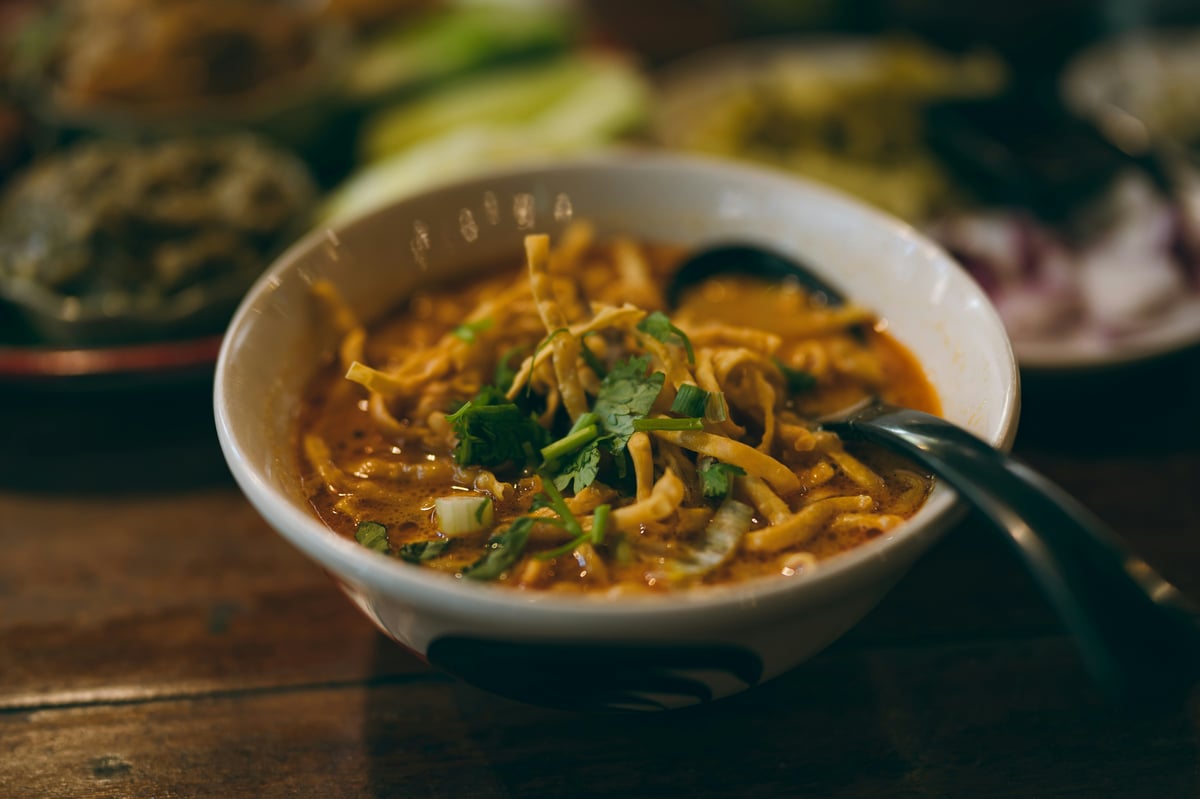
Thai food changes as you travel. In the north (Chiang Mai), try khao soi, a rich coconut-curry noodle soup, and sai ua, a herby northern sausage. In the northeast (Isan), the famous trio is som tum, laab (a zesty minced-meat salad), and grilled chicken (gai yang) with sticky rice. In the south, expect richer, spicier curries and incredible fresh seafood. Eating regionally is one of the joys of traveling the country.
How to handle the spice
Thai food can be genuinely fiery, but you have control. Learn the phrase "mai phet" (not spicy) or "phet nit noi" (a little spicy) to dial it down. Be aware that "a little spicy" by Thai standards can still be hot for many visitors, so start mild and work up. If a dish catches you out, rice (not water) and something sweet or dairy help most. Over a trip, most people find their tolerance grows — and the chilies are part of what makes the food sing.
Where and how to eat
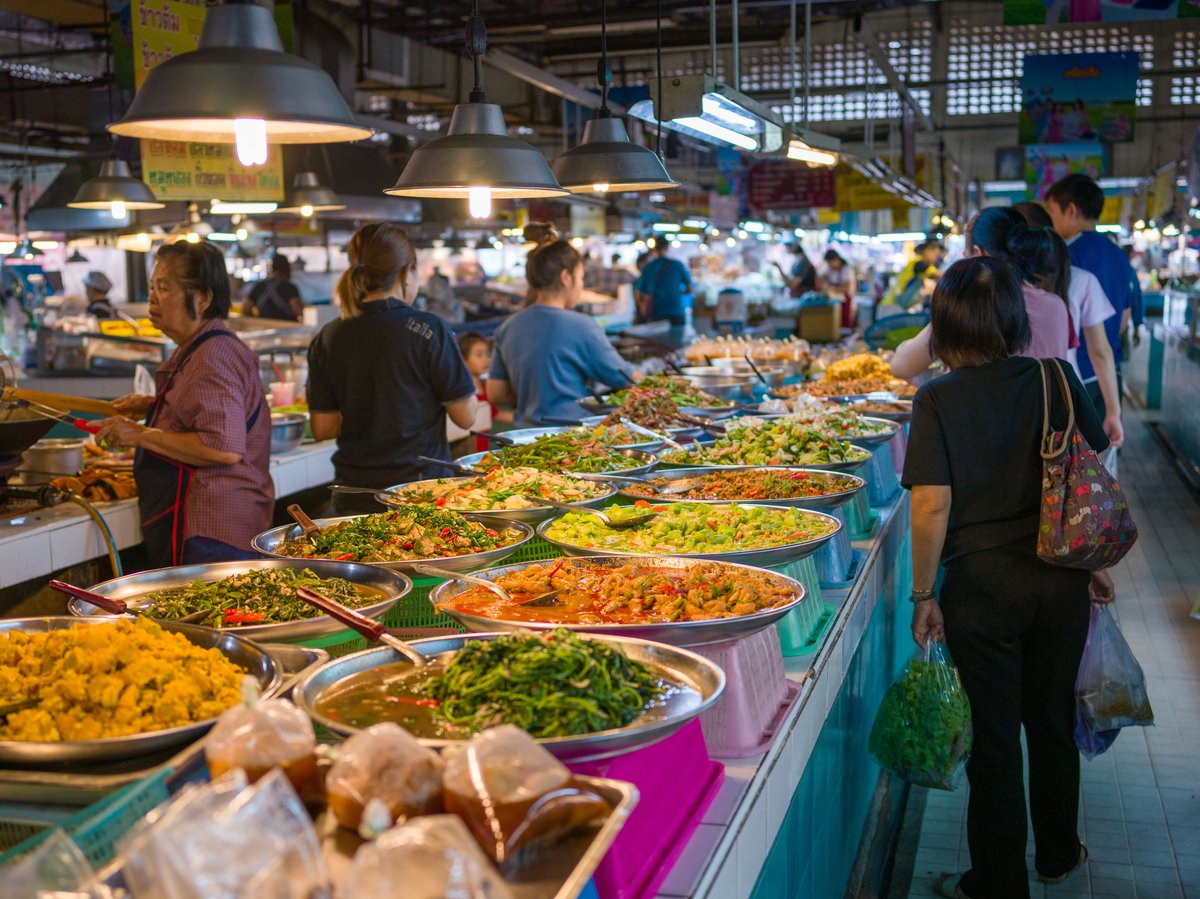
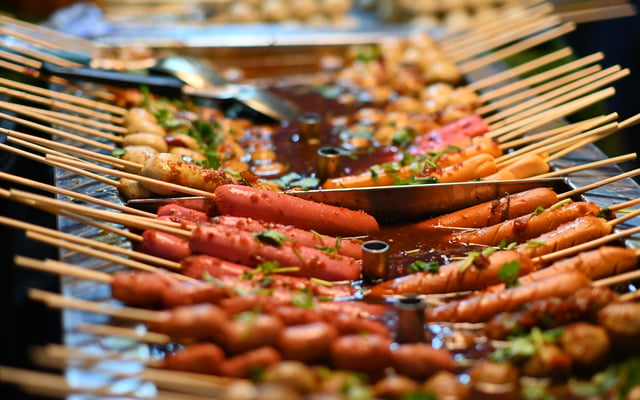
Some of the best food in Thailand comes from humble places: street-food stalls and simple local restaurants often outshine fancy ones. Look for busy stalls with high turnover (a sign of freshness and popularity), watch your food being cooked fresh, and don't be afraid of the plastic-stool places — they're where Thais eat. A guided street-food tour early in your trip is a great way to learn what's what and discover stalls you'd never find alone.
Vegetarian, vegan, and dietary needs
Thailand is increasingly easy for vegetarians and vegans, though a little care helps. Many dishes can be made meat-free, but fish sauce and shrimp paste are common hidden ingredients, so learn the phrase "jay" (which signals strict vegetarian/vegan, often linked to a Buddhist dietary tradition) or "mang-sa-wirat" (vegetarian). Look for the yellow-and-red "jay" symbol on restaurants, especially during the annual Vegetarian Festival. For allergies, carry a translation card, since cross-contamination at busy stalls is hard to control. With a few key phrases, eating well with dietary restrictions is very doable.
Eating safely
Thai street food is generally safe, and a few habits keep it that way: choose busy stalls where food is cooked fresh and turns over quickly, eat things hot and freshly made, and drink bottled water (ice in established places is usually fine, made from purified water). Give your stomach a day or two to adjust to new spices and ingredients. With a little common sense, eating from stalls is one of the safest and most rewarding things you'll do. Meals are remarkably cheap; check a live converter rather than a fixed figure:
100 USD ≈ … THB (enable JavaScript for today's rate)
FAQ
What Thai dishes should a first-timer order?
Pad Thai, tom yum or tom kha soup, a curry (green, red, or mild massaman), som tum (papaya salad), pad krapow (basil stir-fry), and mango sticky rice for dessert.
How do I order Thai food less spicy?
Say "mai phet" (not spicy) or "phet nit noi" (a little spicy). Note that even "a little spicy" can be hot by Thai standards, so start mild. Rice and something sweet help if a dish is too hot.
Is Thai street food safe to eat?
Generally yes — choose busy stalls with high turnover, eat food hot and freshly cooked, and drink bottled water. Street food is often the best and most authentic eating in Thailand.
Does Thai food vary by region?
A lot. The north has khao soi and sai ua, Isan in the northeast has som tum, laab, and grilled chicken, and the south has richer curries and fresh seafood. Eating regionally is a highlight.
Keep planning
Not sure how it all fits together?
Pick your trip length and we'll route a real day-by-day plan.