Thai food has a fiery reputation, and first-timers often worry about whether they'll be able to handle it. The honest answer: Thai food can be very spicy, but you have a lot of control, and plenty of dishes are mild. Here's what to expect, how to order at a comfortable heat level, and how to cool down when something catches you out.
Is Thai food actually that spicy?
It depends entirely on the dish and how it's prepared. Authentic Thai cooking does use a lot of chili, and some dishes are genuinely fiery — especially those eaten by locals rather than tailored for tourists. But Thai cuisine is also about balance: sweet, sour, salty, and spicy in harmony, not just heat for its own sake. And crucially, in tourist areas dishes are often toned down by default, and you can almost always ask for less spice. So while the reputation is earned, it's far from unmanageable.
The dishes to watch out for
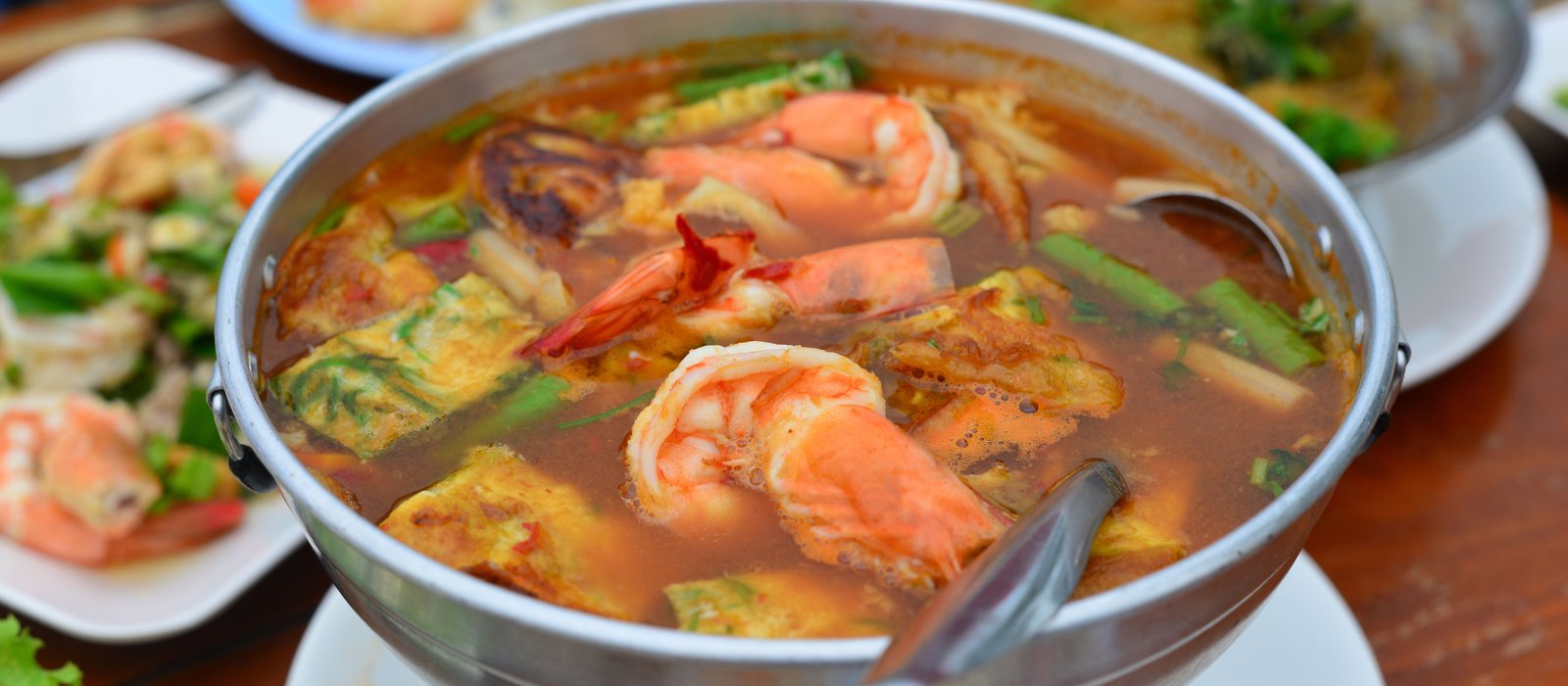
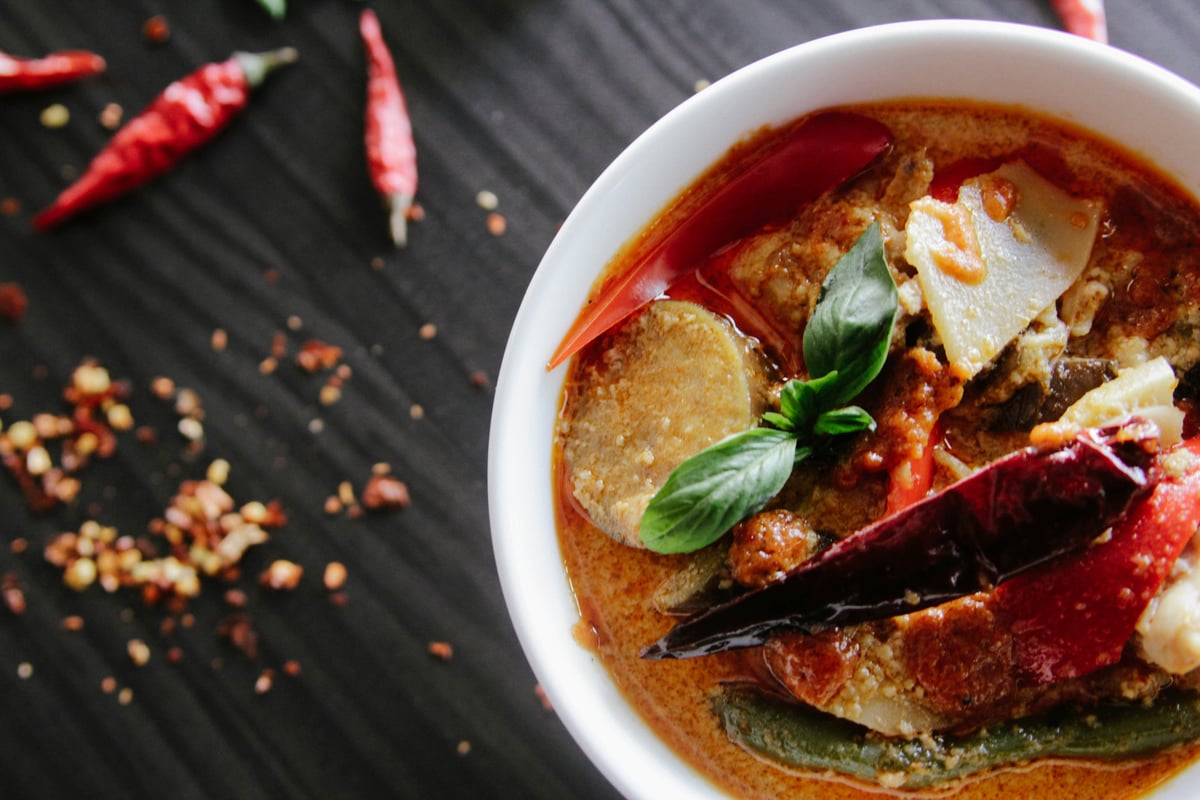
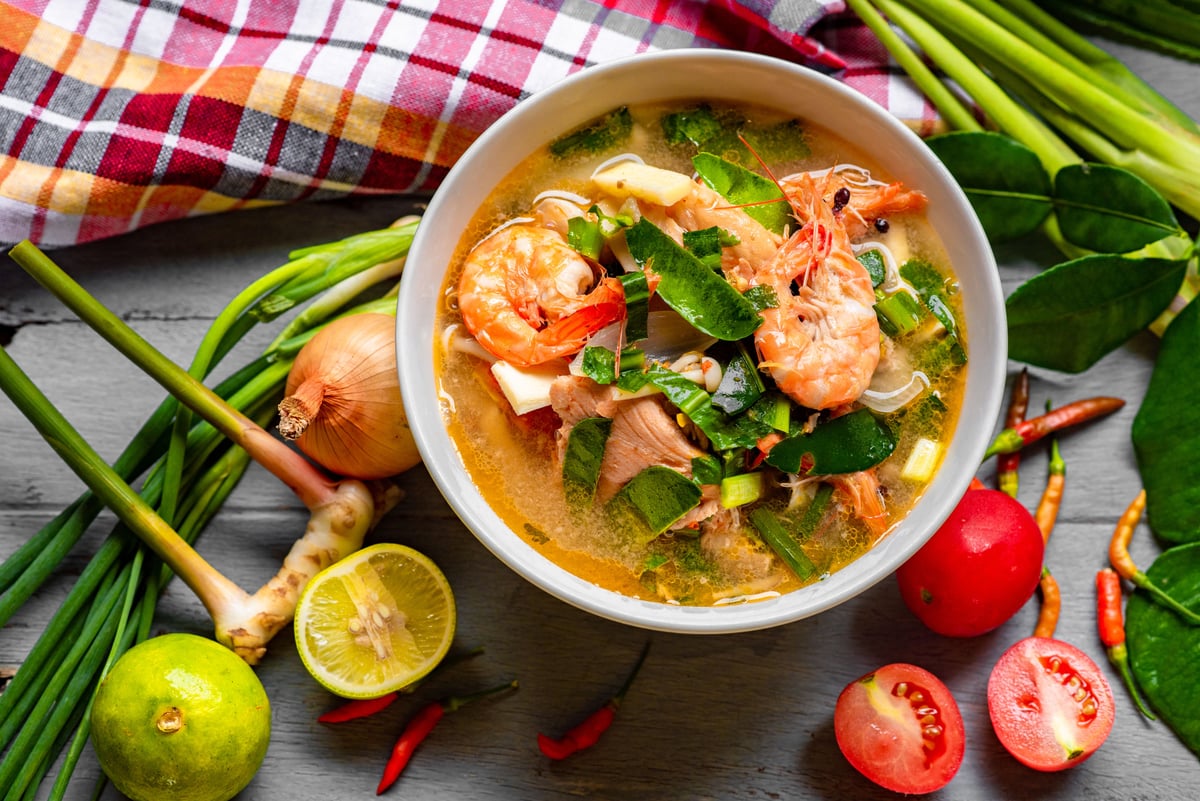
Some dishes are reliably hot. Som tum (green papaya salad) can be searing, especially the Isan style. Tom yum soup packs a chili punch. Laab (spicy minced-meat salad), many curries (especially green and jungle curries), and anything described as "Isan" or northeastern tends toward the spicy end. Bird's eye chilies (prik kee noo) are the small, intensely hot ones to be wary of. Milder options include pad thai, many stir-fries, satay, fried rice, and coconut-based dishes like massaman curry and tom kha.
How to order at your spice level
The key phrases give you control. Say "mai phet" (not spicy) to minimize heat, or "phet nit noi" (a little spicy) for a gentle kick. Be warned, though: even "a little spicy" by Thai standards can be hot for many Westerners, and some vendors will still make it milder for an obvious tourist than for a local. Start cautious — order "mai phet" or "phet nit noi" early in your trip — and work your way up as you learn your tolerance. You can always add chili; you can't take it out.
How to cool your mouth down
If a dish catches you out, reach for the right remedies. Rice is your friend — plain rice absorbs and dilutes the heat far better than water (water actually spreads the chili oil around). Anything sweet helps, as does dairy or coconut — a sip of a Thai iced tea, a coconut drink, or something with milk. Cucumber and other cooling vegetables that often accompany spicy dishes help too. What doesn't work well is gulping water, which can make it feel worse.
What about kids and sensitive stomachs?
If you're traveling with children or simply have a low spice tolerance, don't worry — Thailand is very manageable. Many staple dishes are naturally mild or can be made so: plain rice, fried rice, pad thai, chicken satay, spring rolls, grilled meats, omelettes, and fresh fruit are all kid-friendly and easy to find. Just order "mai phet" (not spicy) and point children toward the milder dishes. Western food is also widely available in tourist areas if needed. Spice is a feature of Thai food, not an unavoidable obstacle — with a few phrases and the right dish choices, even the spice-averse eat very well here.
Building your tolerance
Here's the encouraging part: most people's spice tolerance grows over a trip. What feels intense on day one often feels pleasant by the end of a couple of weeks, as your palate adjusts. Many travelers come to love the heat as part of what makes Thai food so alive — the chili isn't just about pain, it's part of the flavor balance. Start gentle, build up, and you may find yourself ordering "phet" (spicy) by the end. Sampling widely is cheap; check a live converter rather than a fixed figure:
100 USD ≈ … THB (enable JavaScript for today's rate)
FAQ
How spicy is Thai food really?
It can be very spicy, especially dishes eaten by locals, but it's about balance, not just heat — and you can almost always order milder. In tourist areas dishes are often toned down by default. Plenty of dishes are naturally mild.
How do I order Thai food less spicy?
Say "mai phet" (not spicy) or "phet nit noi" (a little spicy). Note that even "a little spicy" can be hot by Thai standards, so start cautious and build up as you learn your tolerance.
Which Thai dishes are the spiciest?
Som tum (papaya salad), tom yum soup, laab, many curries (especially green and jungle), and Isan/northeastern dishes tend to be hot. Milder choices include pad thai, satay, fried rice, massaman, and tom kha.
What cools your mouth after spicy food?
Plain rice, anything sweet, and dairy or coconut work best — not water, which spreads the chili oil. A sweet Thai iced tea, coconut drink, or cucumber helps tame the heat.
Keep planning
Not sure how it all fits together?
Pick your trip length and we'll route a real day-by-day plan.