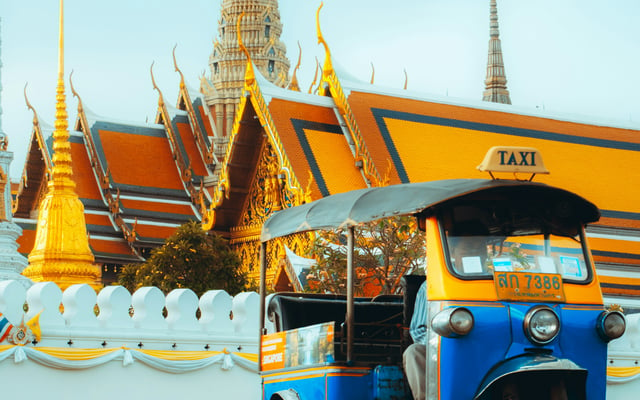
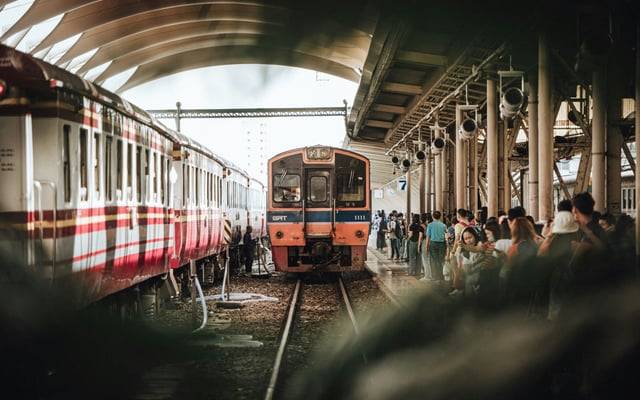
Beyond the apps and the Skytrain, Thailand has a colorful array of local transport — three-wheeled tuk-tuks, shared songthaew trucks, metered taxis, and motorbike taxis. Knowing how each works, and how to avoid being overcharged, makes getting around Thai towns easy and even fun. Here's your guide to the local rides.
Tuk-tuks
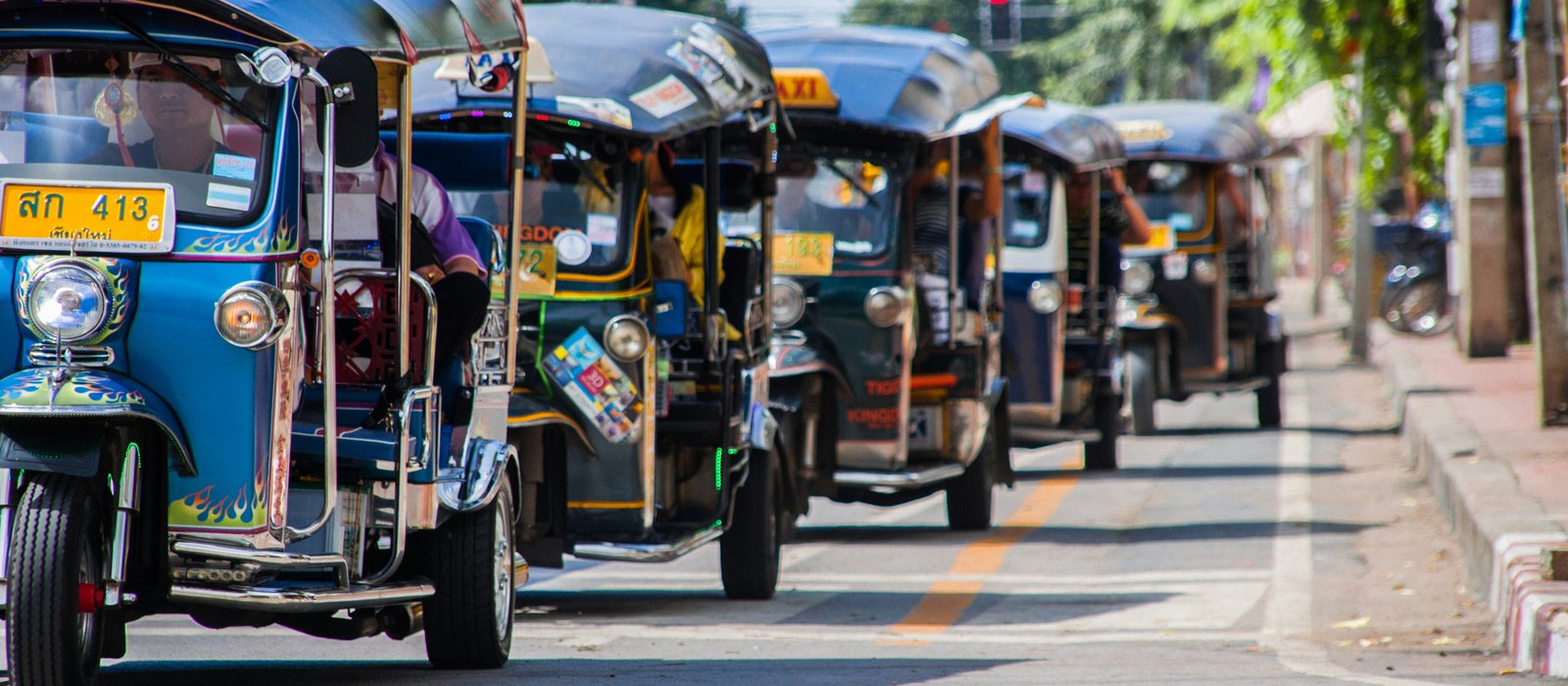
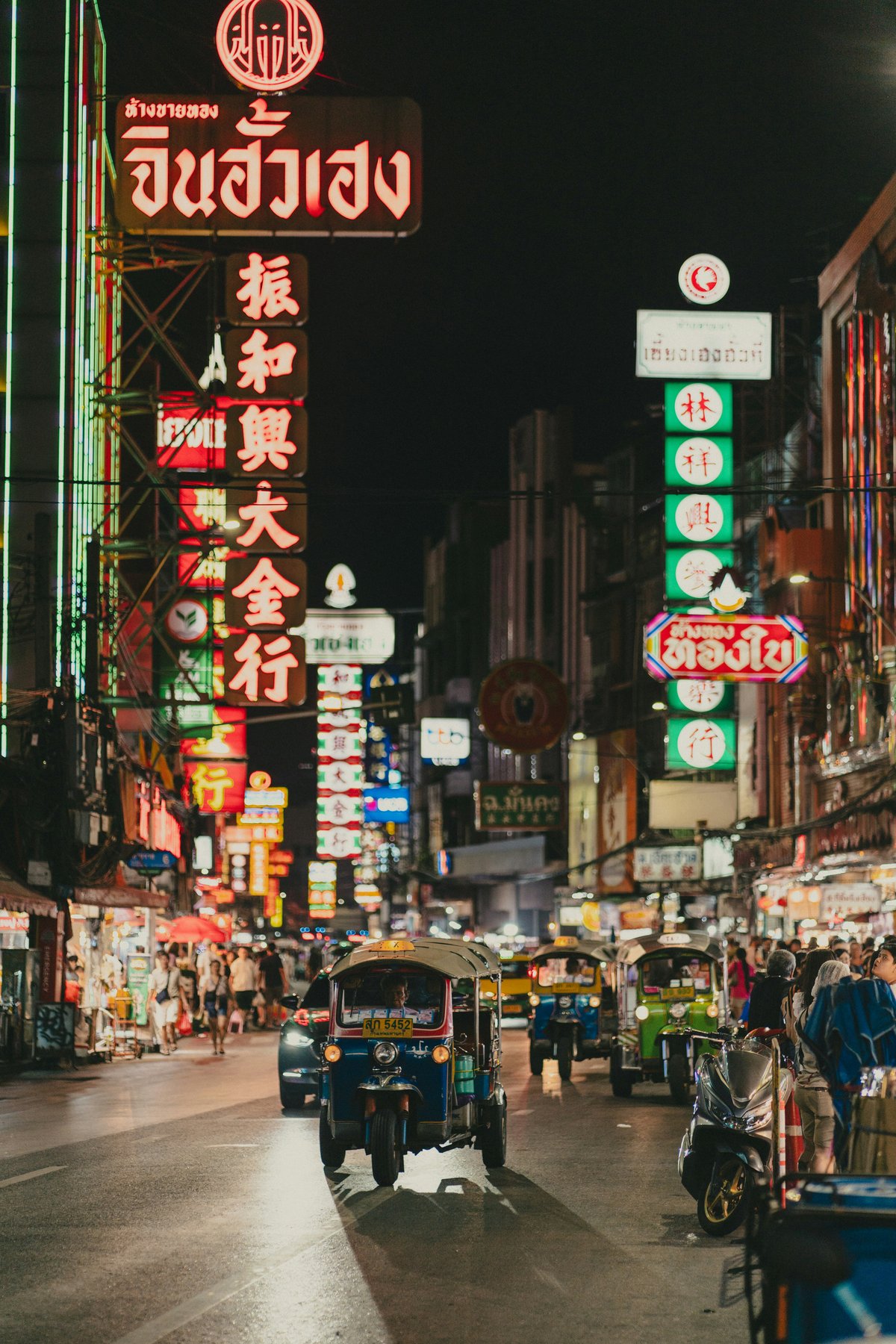
The iconic three-wheeled tuk-tuk is a quintessential Thai experience — open-air, zippy, and fun for a short ride. But manage expectations: they are not cheaper than a metered taxi or Grab, the price is always negotiated (there's no meter), and tourist fares are often inflated. In Bangkok especially, some tuk-tuk drivers run the "gem shop" scam, offering a suspiciously cheap fare in exchange for stopping at shops where they earn commission. Agree the price before you get in, keep it to short hops, and treat tuk-tuks as an occasional novelty rather than your main transport.
Taxis
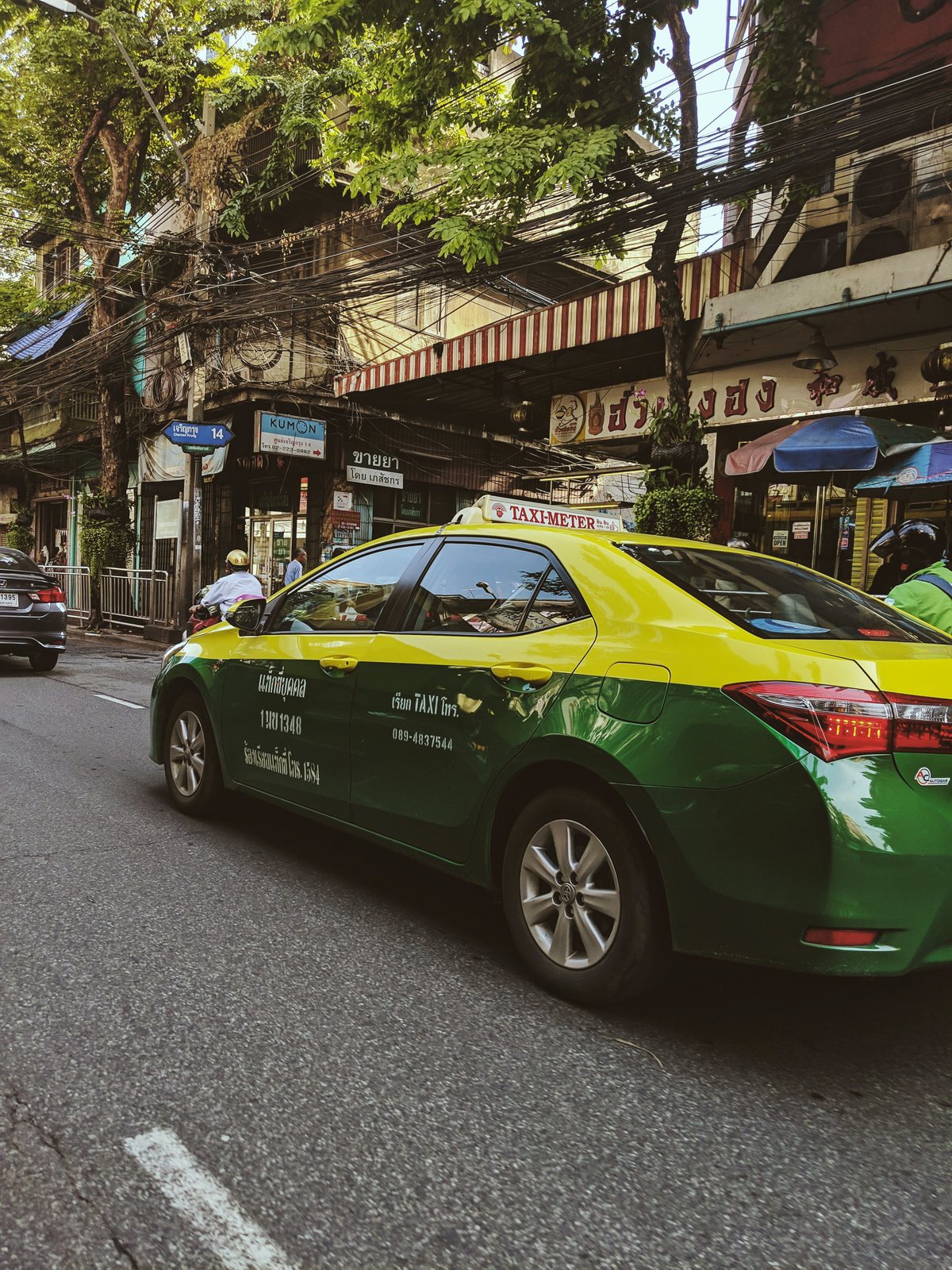
Metered taxis are plentiful in Bangkok and other cities, and cheap if the driver uses the meter. The rule: insist on "meter" and decline drivers who quote a flat fare instead (which is usually inflated). Most taxis are honest, but the meter refusal is a common tourist hassle. Outside the big cities, metered taxis are less common, and you'll rely more on songthaews and other options. Using Grab to book a taxi removes the haggling.
Songthaews
The workhorses of many Thai towns, songthaews ("two rows," named for the bench seats in the back) are shared pickup trucks that function as informal buses or shared taxis. In cities like Chiang Mai, the red songthaews run flexible routes — you flag one down, tell the driver your destination, and pay a small flat fare per person, sharing with others heading the same way. They're cheap, ubiquitous, and a local way to get around. In some towns they run fixed routes; in others they act more like shared taxis you negotiate.
Motorbike taxis
For beating traffic on short trips, motorbike taxis — drivers in colored numbered vests, often clustered at corners and intersections — are fast and cheap. You hop on the back and they weave through jams that would gridlock a car. They're great for a quick solo hop if you're comfortable on a bike (you'll usually get a helmet). Agree the fare first. They're a common local choice for short distances, especially in congested Bangkok.
How to avoid being overcharged
A few habits keep fares fair: agree the price before getting in for any negotiated ride (tuk-tuk, motorbike taxi, non-metered situations); insist on the meter in taxis; know the rough going rate by asking your hotel; use Grab when you want a fixed, transparent price with no haggling; and have small notes ready so "no change" can't inflate your fare. A friendly, confident manner helps — drivers are quicker to quote fair prices to travelers who seem to know the score.
How local transport varies by destination
The mix you'll use changes depending on where you are. In Bangkok, you have the full range plus the Skytrain and metro, so tuk-tuks and motorbike taxis are mostly for novelty or beating jams. In Chiang Mai, the red songthaews are the everyday workhorse and Grab works well. On the islands and in resort towns, songthaews and rented scooters dominate, taxis can be pricey, and Grab availability is patchy (notoriously so in Phuket). In smaller towns, songthaews and motorbike taxis may be your only options. Knowing the local norm — easily checked by asking your hotel — saves both money and confusion when you arrive somewhere new.
Which should you use when?
The practical playbook: use Grab or metered taxis for comfort, fixed prices, and longer trips; songthaews for cheap local hops and the authentic experience; motorbike taxis to beat traffic on quick solo trips; and tuk-tuks when you want the fun of the experience and don't mind paying a bit for it. Mixing them as suits each trip is part of the rhythm of getting around Thailand. Fares are low across the board; check a live converter rather than a fixed figure:
100 USD ≈ … THB (enable JavaScript for today's rate)
FAQ
Are tuk-tuks cheaper than taxis in Thailand?
No — tuk-tuks are usually not cheaper than a metered taxi or Grab, and the fare is always negotiated (often inflated for tourists). Treat them as a fun occasional experience and agree the price before getting in.
What is a songthaew?
A shared pickup truck with bench seats that works as an informal bus or shared taxi. In cities like Chiang Mai, you flag one down, state your destination, and pay a small flat fare per person — cheap and very local.
How do I avoid being overcharged by taxis?
Insist on the meter and decline drivers who quote a flat fare. Better still, use Grab for a fixed, transparent price with no haggling. Knowing the rough going rate (ask your hotel) also helps.
Are motorbike taxis safe?
They're a fast, cheap way to beat traffic on short hops, used widely by locals, and you'll usually get a helmet. They carry the inherent risks of motorbikes, so they suit confident riders comfortable on the back of a bike.