Train travel in Thailand is slower than flying but it's affordable, scenic, and a genuine experience — especially the famous overnight sleeper to Chiang Mai. For travelers who'd rather watch the countryside roll by than rush through an airport, the State Railway is a wonderful way to see the country. Here's how it works.
Why take the train?
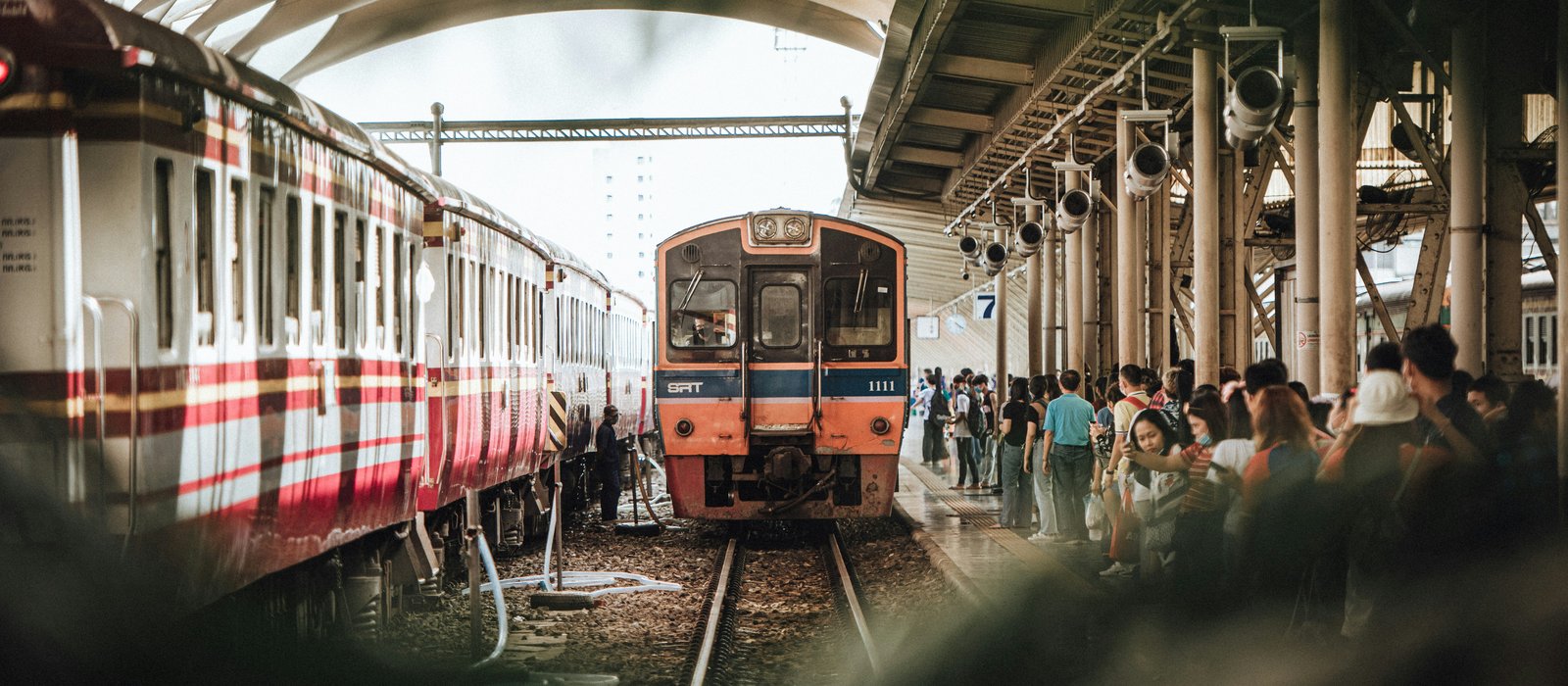
Trains in Thailand offer something flights can't: scenery, atmosphere, and a window into everyday Thai life. They're cheap, surprisingly comfortable in the better classes, and the overnight services double as transport and accommodation, saving you a hotel night. They're not the fastest option — a journey that's an hour by plane can be ten or more by rail — so they suit travelers with time who value the experience over speed.
The main routes
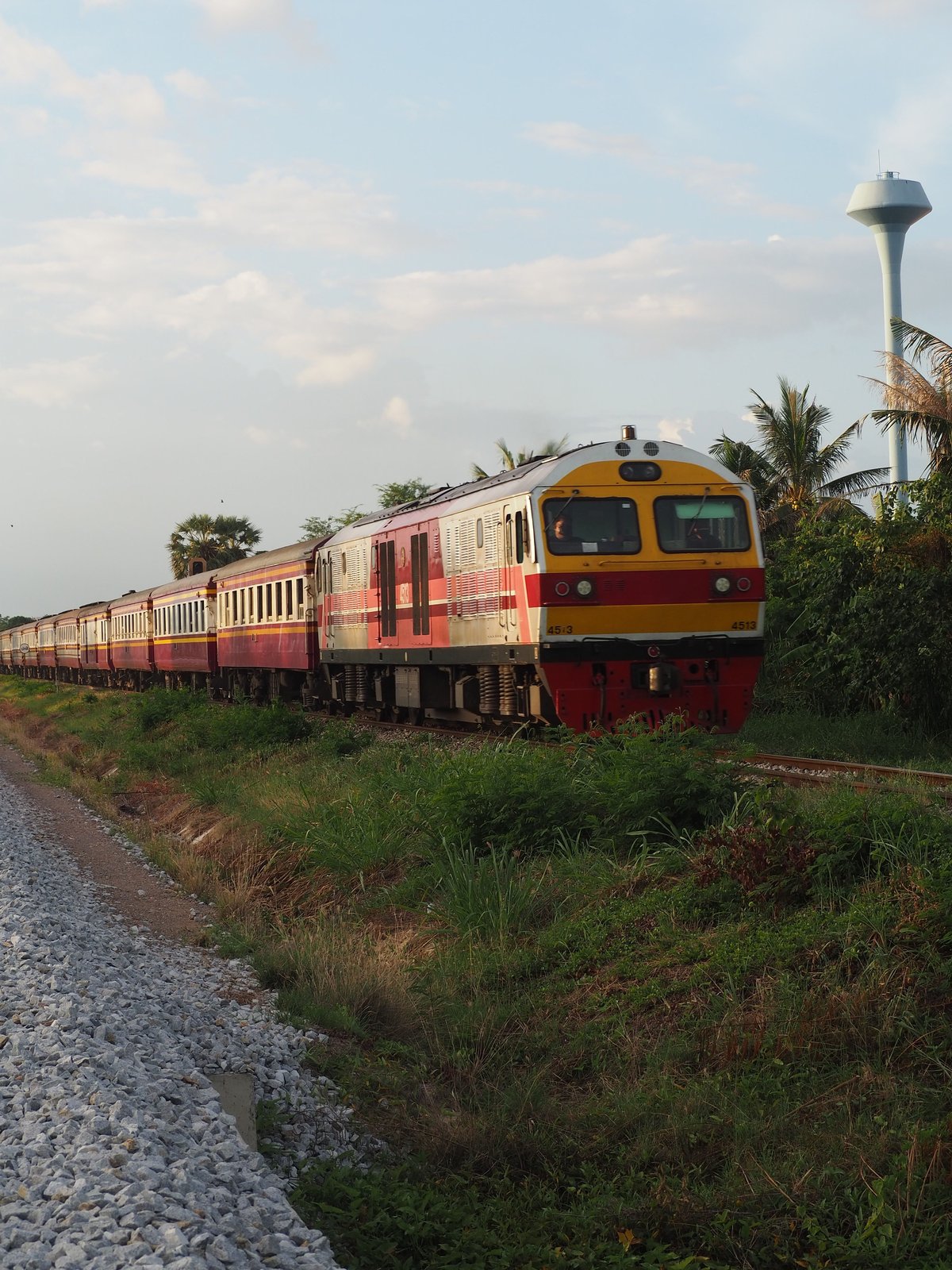
The Northern Line from Bangkok to Chiang Mai is the most popular with tourists, and its overnight sleeper is a highlight. The Southern Line runs down toward Surat Thani (the gateway for the Gulf islands) and on to the Malaysian border. The Northeastern Line heads into Isan toward Nong Khai and the Laos border, and the Eastern Line serves destinations toward Cambodia. For most visitors, the northern and southern lines are the relevant ones. Beyond the practical routes, Thailand also has some genuinely scenic stretches — the line through the countryside around Kanchanaburi (including the historic Death Railway) is a popular day excursion in its own right, valued more for the experience and the views than for getting anywhere in particular.
Understanding the classes
Thai trains have several classes, and the difference matters for comfort:
First class offers private or semi-private sleeping cabins on overnight trains — the most comfortable and private option.
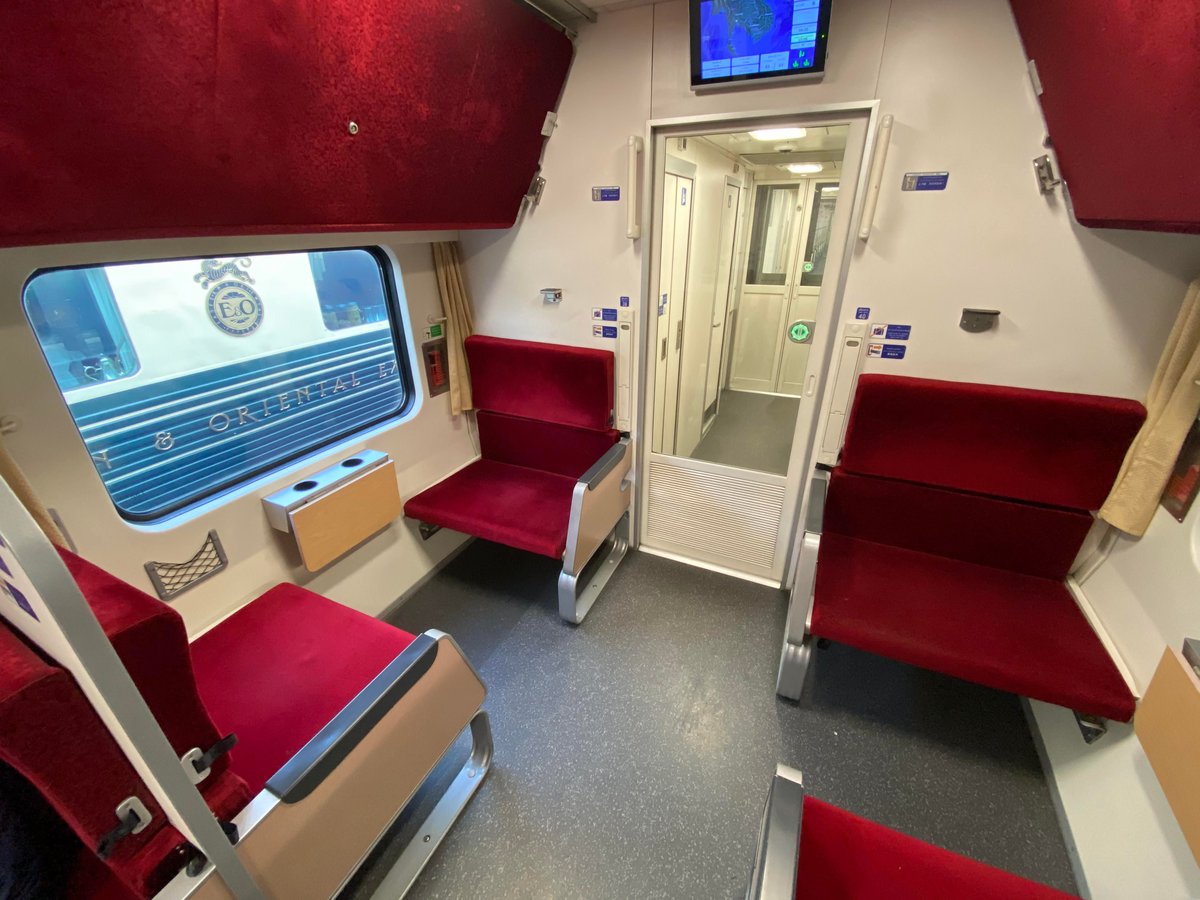
Second class is the sweet spot for most travelers: comfortable seats that convert to curtained sleeper berths on overnight services, available with air-conditioning or fan. The air-conditioned second-class sleeper is the classic Bangkok–Chiang Mai choice.
Third class is the cheapest — basic bench seating, fine for short daytime hops but not for long overnight journeys.
The Bangkok–Chiang Mai overnight sleeper
This is the train journey worth planning around. You board in Bangkok in the evening, settle into your berth, sleep as the train climbs north, and wake up near Chiang Mai — arriving rested, with a hotel night saved. The second-class air-conditioned sleeper is the popular choice: comfortable curtained berths, clean bedding, and a sociable, atmospheric ride. It's one of the most enjoyable ways to travel in Thailand and a highlight in its own right.
What the journey is actually like
Riding a Thai sleeper is a sociable, low-key adventure. In the second-class sleeper, seats are arranged facing each other during the day and converted by a steward into curtained upper and lower berths in the evening, each with a privacy curtain, clean sheets, and a reading light. There's a dining or snack car, vendors pass through selling food and drinks, and you'll share the experience with a mix of Thai families and fellow travelers. It's not luxurious, but it's comfortable, safe, and memorable — the gentle rocking of the train and the changing landscape outside the window make for a far more characterful journey than a flight.
How to book
Train tickets, especially sleeper berths, should be booked ahead — they sell out, particularly in peak season and around holidays. You can book online through the State Railway's official system or authorized agents, or in person at stations. Reserve the lower berths if you can (they're slightly roomier and have a window). Fares are a fraction of what comparable train travel costs in the U.S. or Europe, making the sleeper one of the best-value experiences in the country. For popular overnight routes, booking a week or more ahead is wise. Train travel is inexpensive; check a live converter rather than a fixed figure:
100 USD ≈ … THB (enable JavaScript for today's rate)
FAQ
Is the overnight train in Thailand worth it?
For many travelers, yes — the Bangkok–Chiang Mai sleeper is comfortable, scenic, and saves a hotel night. It's a genuine highlight if you have the time and enjoy the journey as part of the trip.
Which train class should I book?
Second-class air-conditioned sleeper is the sweet spot for overnight journeys — comfortable curtained berths at a reasonable price. First class offers private cabins; third class suits only short daytime trips.
Do I need to book Thai train tickets in advance?
Yes for sleeper berths — they sell out, especially in peak season and around holidays. Book online through the official State Railway system or at stations, ideally a week or more ahead for popular routes.
How long does the Bangkok to Chiang Mai train take?
The overnight sleeper takes roughly 12–13 hours, leaving Bangkok in the evening and arriving in Chiang Mai the next morning — slower than the 1h15 flight, but you sleep through it and save a hotel night.