Thailand is a safe and welcoming country, but like any major tourist destination it has its share of scams aimed at visitors. The good news is that they're well-known, predictable, and easy to avoid once you know the playbook. None involve violence — they're about separating you from your money through deception. Here are the most common ones and how to sidestep each.
The "temple is closed today" tuk-tuk scam
The classic Bangkok scam. A friendly stranger or tuk-tuk driver near a major sight tells you it's closed today — for a holiday, a ceremony, cleaning — but offers to take you on a cheap tour of other "special" places instead. Those places invariably include a gem shop or tailor where they earn a commission pressuring you to buy. How to avoid it: assume major sights like the Grand Palace are open during normal hours (check official times yourself), and ignore anyone outside telling you otherwise. Walk to the official entrance and verify.
Taxi and tuk-tuk fare tricks
Drivers who refuse to use the meter and quote an inflated flat fare, take long "scenic" routes, or claim your hotel is "closed" or "full" and try to take you to one that pays them commission. How to avoid it: insist on the meter ("meter, please") and walk away if they refuse; use Grab instead, which fixes the price upfront and removes the haggling entirely. For tuk-tuks, agree the price before getting in, and don't let a driver talk you into a "tour."
Jet-ski and motorbike damage scams
A notorious island scam: you rent a jet-ski or scooter, return it, and the operator claims you caused pre-existing damage, demanding a large sum (sometimes with intimidation). How to avoid it: photograph and video the vehicle thoroughly before you take it, documenting every existing scratch; rent only from reputable operators or through your hotel; and never hand over your passport as a deposit (leave a photocopy or cash deposit instead). Be especially wary of cheap jet-ski rentals in busy beach areas.
The gem and tailor scams
You're steered (often via the tuk-tuk scam above) to a gem shop with a story about a "special government sale" or "tax-free" gems you can resell at home for profit. The gems are worthless or wildly overpriced. Tailor shops run similar high-pressure, low-quality versions. How to avoid it: never buy gems as an "investment," be deeply skeptical of any unsolicited shopping "opportunity," and remember that genuine bargains aren't sold by touts who approached you on the street.
Bar and entertainment scams
In nightlife areas, watch for inflated bar tabs, surprise cover charges, "lady drinks," and bills padded with items you didn't order, sometimes enforced with intimidation. Ping-pong shows and similar are classic traps for sudden enormous bills. How to avoid it: check prices before ordering, keep track of your tab, avoid venues touts drag you into, and be cautious in red-light districts where these are concentrated.
Other scams to know
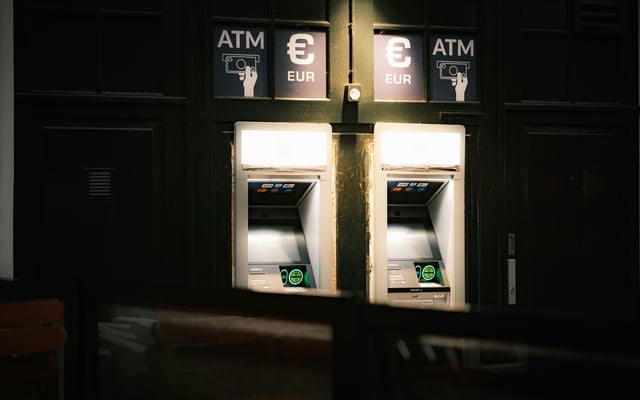
A few more: fake TDAC and visa websites that charge for the free arrival card (use only official sites); currency and change tricks (count your change); overpriced tours sold by street agents (book through reputable operators); the "friendly local" who attaches himself to you and expects payment; and ATM skimming (use machines attached to banks). None are cause for paranoia — just healthy awareness.
The general rules that beat every scam
Most scams collapse against a few habits: use Grab and metered taxis, be skeptical of unsolicited help and "special deals,"never buy gems or invest on a stranger's tip, document rentals before using them, verify sight opening hours yourself, and keep calm and walk away from anything high-pressure. Do that and you'll likely sail through Thailand scam-free, like most visitors do. For budgeting and avoiding currency confusion, a live converter helps:
100 USD ≈ … THB (enable JavaScript for today's rate)
FAQ
What's the most common scam in Thailand?
The "the temple is closed today" tuk-tuk scam in Bangkok, where a driver claims a major sight is closed and offers a cheap tour that ends at a gem or tailor shop. Verify opening hours yourself and ignore the touts.
How do I avoid taxi scams in Thailand?
Insist on the meter and walk away if a driver refuses, or just use Grab, which fixes the price upfront. Agree tuk-tuk fares before getting in and don't accept unsolicited "tours."
What's the jet-ski scam?
Operators claim you caused pre-existing damage to a rented jet-ski or scooter and demand money. Photograph and video the vehicle before renting, use reputable operators, and never leave your passport as a deposit.
Should I buy gems in Thailand?
No — the "special sale" gem scam sells worthless or overpriced stones with a story about reselling them for profit at home. Never buy gems as an investment or from anyone who approached you on the street.