Thailand is one of the world's most rewarding first big international trips for Americans: it's affordable, welcoming, endlessly varied, and easier to travel than first-timers expect. From Bangkok's temples and street food to the northern mountains and the southern islands, it packs an incredible range into one country. This guide pulls together everything you need to plan a first trip.
Note: entry rules, advisories, and prices change. Verify current requirements with official sources before traveling.
Entry: what Americans need
For tourism, U.S. passport holders enter Thailand visa-free under the visa-exemption scheme — no visa arranged in advance. You must complete the mandatory, free Thailand Digital Arrival Card (TDAC) online before arriving (use only the official site), and your passport should be valid at least six months out. The permitted length of visa-exempt stay has been changing in 2026, so confirm the current allowance on official sites near your travel date — a normal vacation fits comfortably within it.
When to go
The best overall weather is the cool, dry season (November to February) — also peak season. Remember the two coasts differ: the Andaman islands (Phuket, Krabi) are best November–April, the Gulf islands (Koh Samui) best mid-year. The north is best November–February; avoid its burning season (February–April).
Where to go
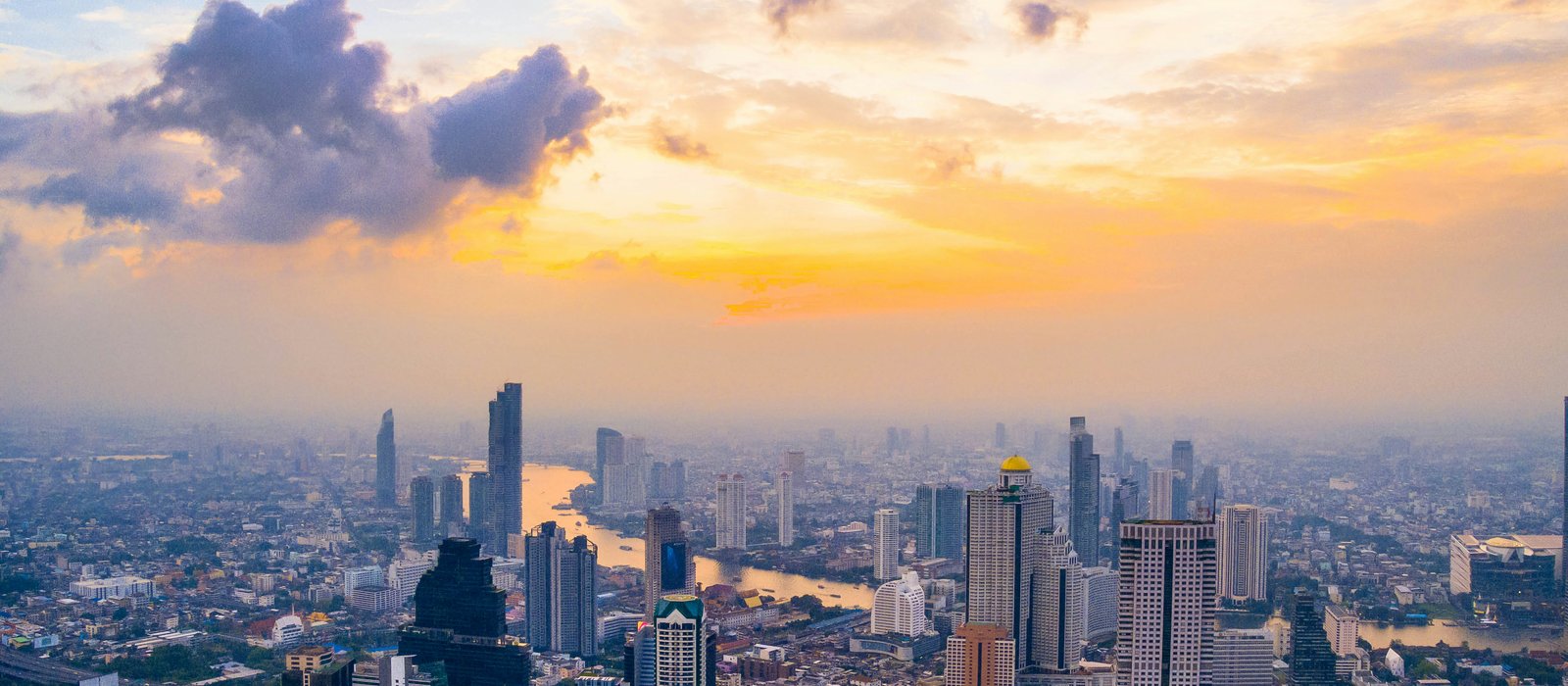
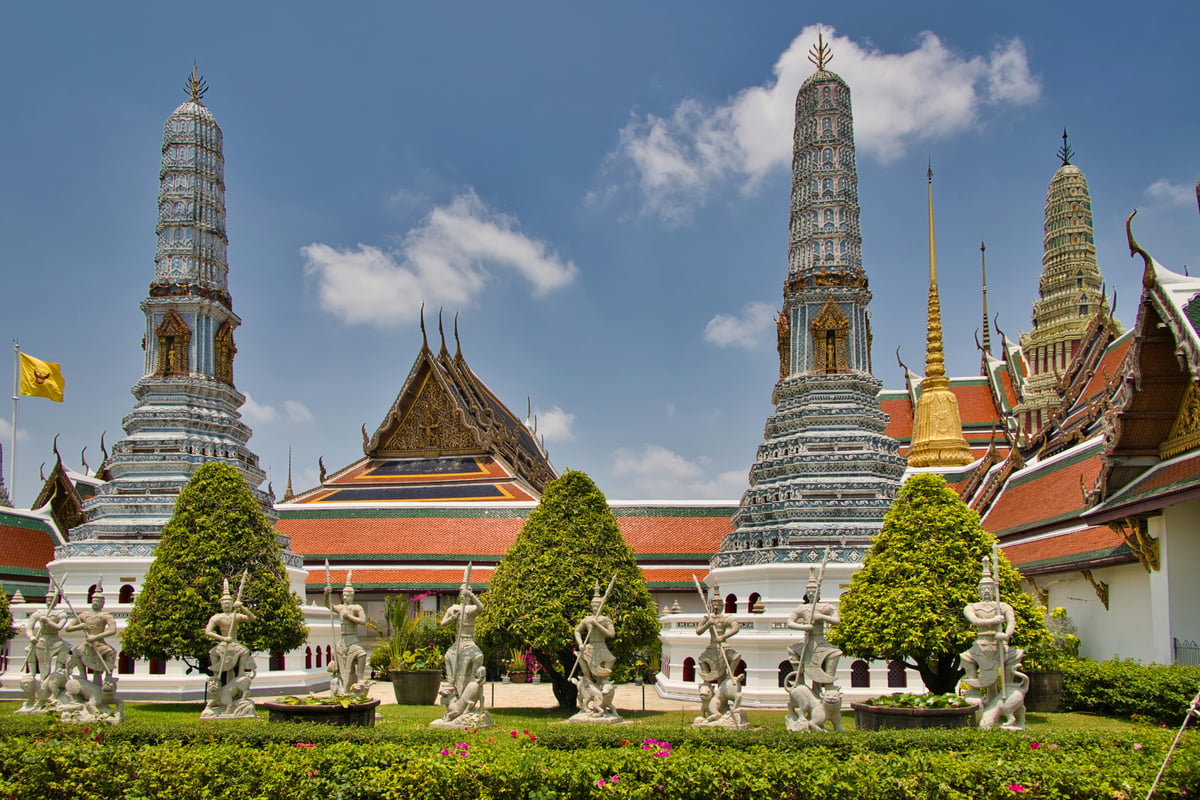
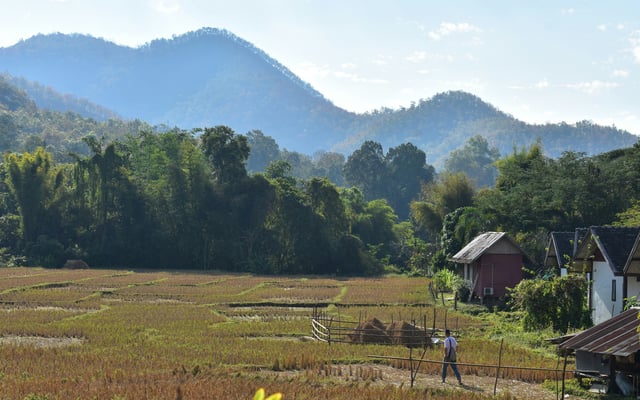
Thailand has three headline regions. Bangkok, the electric capital, for temples, street food, and markets. The north around Chiang Mai for culture, mountains, cooking classes, and ethical elephant sanctuaries. And the southern islands for beaches and boats. A classic first trip combines all three; with a week, do Bangkok plus one region.
How long and an itinerary shape
Ten days is the sweet spot for a first trip — three days in Bangkok, three in the north, three on the islands, plus travel days, linked by short domestic flights. A week works for Bangkok plus one region; two weeks lets you go deeper or add a second island.
Getting around
Fly between regions — domestic flights are cheap, frequent, and quick (1–1.5 hours versus 10+ overland). Locally, use the BTS Skytrain and river boats in Bangkok, Grab for ride-hailing, songthaews and metered taxis, and ferries to the islands. The scenic overnight train to Chiang Mai is a lovely option if you have time.
Money and costs
Thailand is great value. The big cost is the international flight; daily spending is low. It's largely cash-based for everyday purchases, with cards accepted in hotels and malls. Tipping is modest and not obligatory. Use ATMs wisely (withdraw larger amounts to limit fees). Prices and rates change, so check a live converter:
100 USD ≈ … THB (enable JavaScript for today's rate)
Food, safety, and culture
Food is a highlight — eat street food fearlessly (busy stalls, cooked fresh) and try regional dishes; drink bottled water. Thailand is generally safe, with road accidents (especially scooters) and scams the main risks rather than violent crime — use Grab, be scam-aware, and get good travel insurance. Respect the culture: revere the monarchy, dress modestly at temples (cover shoulders and knees), mind the head-and-feet customs, and keep your cool. Thais are warm and forgiving of honest mistakes.
Common first-timer mistakes to avoid
A few pitfalls trip up many first-time visitors, and all are easily avoided. Cramming in too much — trying to see all three regions in a week — leaves you exhausted and in transit; pick a realistic scope. Choosing the wrong island for the season — booking the Andaman coast in peak monsoon — can mean rain instead of beaches; match the coast to your dates. Underestimating travel time and the heat leads to over-packed days; build in rest. And not booking domestic flights early means higher fares. Sidestep those four, keep a relaxed pace, and your first Thailand trip will go smoothly.
Your first-trip checklist
Before you go: confirm passport validity and current entry rules; complete the free TDAC; book flights early and domestic flights ahead; choose your season and regions; arrange travel insurance and any recommended vaccines; set up an eSIM or plan to buy a SIM; and pack light, breathable clothing plus temple-appropriate cover-ups. Do that, keep an open and easygoing attitude, and Thailand will likely become one of your favorite trips. For all the budgeting, a live converter keeps the baht clear:
100 USD ≈ … THB (enable JavaScript for today's rate)
FAQ
Is Thailand a good first international trip for Americans?
Yes — it's affordable, welcoming, varied, and easier to travel than many expect, with good tourist infrastructure. The mix of cities, culture, and beaches makes it a rewarding and manageable first big trip.
Do Americans need a visa for Thailand?
For tourism, no — you enter visa-free under the exemption, but must complete the free online TDAC and have a passport valid six months out. Confirm the current permitted stay on official sites, as it's been changing.
How long should a first trip to Thailand be?
Ten days is ideal for covering Bangkok, the north, and the islands without rushing. A week works for Bangkok plus one region; two weeks lets you go deeper or add a second island.
How much does a Thailand trip cost?
It's excellent value — the international flight is the main expense, while daily costs for food, transport, and even accommodation are low. Prices and exchange rates change, so check current figures when booking.
Keep planning
Not sure how it all fits together?
Pick your trip length and we'll route a real day-by-day plan.