Thailand is welcoming and forgiving of foreigners' mistakes, but understanding a few key customs will deepen your experience and help you avoid genuine offense. Some Thai etiquette is just good manners; a couple of points are seriously important. Here's what every American should know before they go.
Respect the monarchy — this one is serious
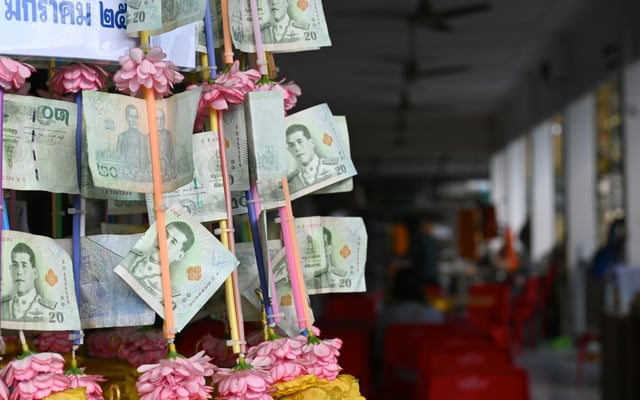
This is the most important rule in Thailand. The Thai monarchy is deeply revered, and lèse-majesté laws make insulting or defaming the royal family a serious crime with severe penalties — this is not an area for jokes or casual opinions. Treat images of the King and royal family (on money, in photos, in public spaces) with respect, never step on a banknote or coin (they bear the King's image), and stand respectfully if the royal anthem plays in a cinema or public space. When in doubt, simply stay respectful and neutral on the topic.
The wai — Thailand's greeting
The traditional Thai greeting is the wai: palms pressed together as in prayer, with a slight bow of the head. As a visitor, you don't need to initiate wais (the rules around who wais whom, and how high the hands go, are nuanced and tied to status), but if someone wais you, returning it respectfully is polite and appreciated. A warm smile goes a long way too — Thailand isn't called the Land of Smiles for nothing.
Heads and feet
In Thai culture, the head is the most sacred part of the body and the feet the lowest. So: never touch anyone's head, even a child's, however affectionately. And be mindful of your feet — don't point them at people or at Buddha images, don't put them up on furniture, and never step over someone. When sitting on the floor in a temple, tuck your feet behind you rather than pointing them forward. These are easy habits once you're aware of them.
Temple etiquette
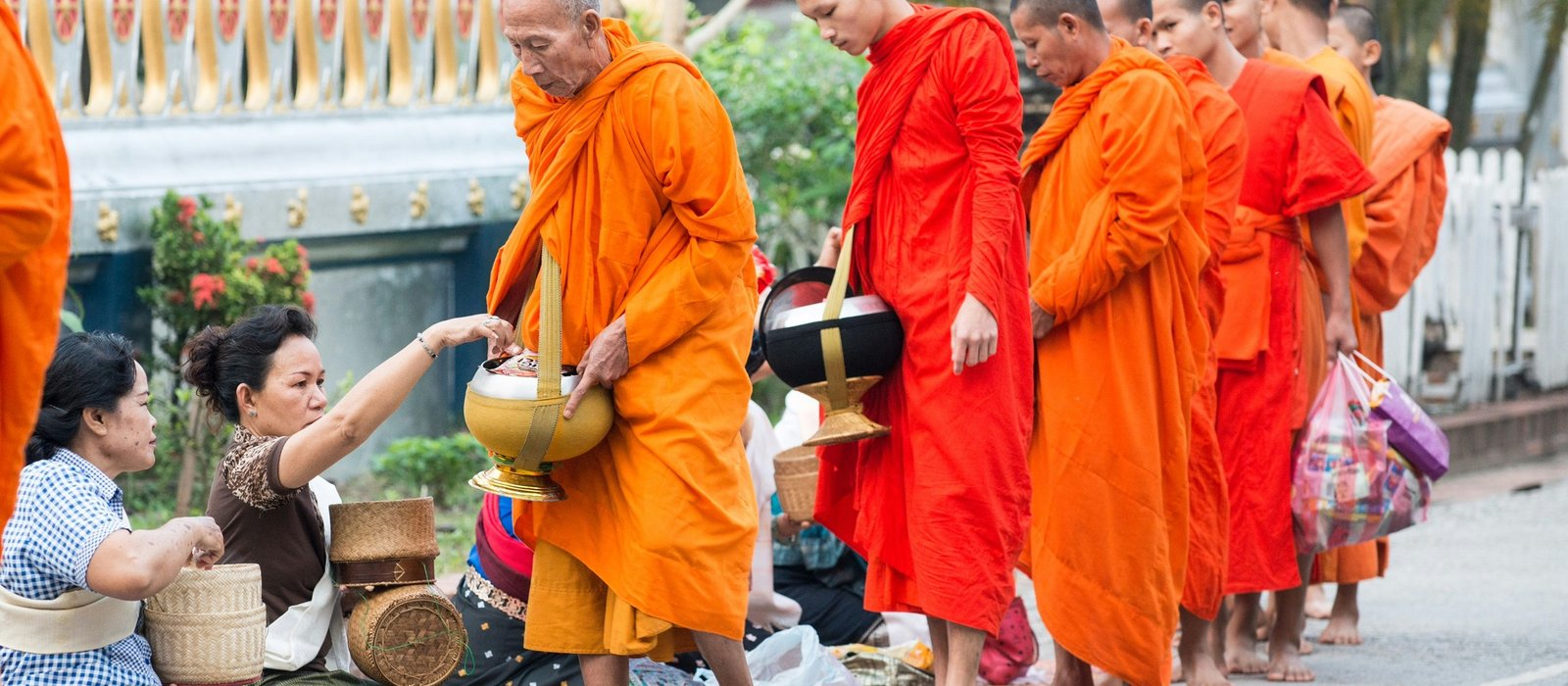
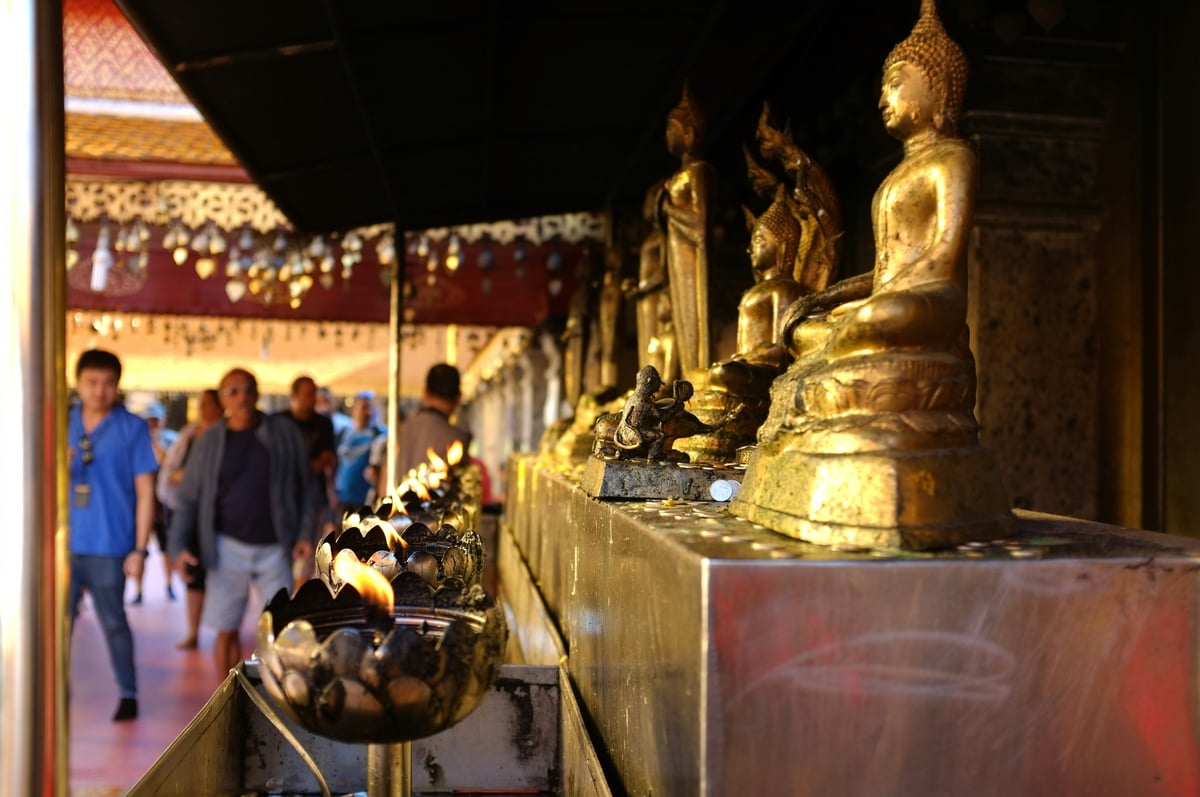
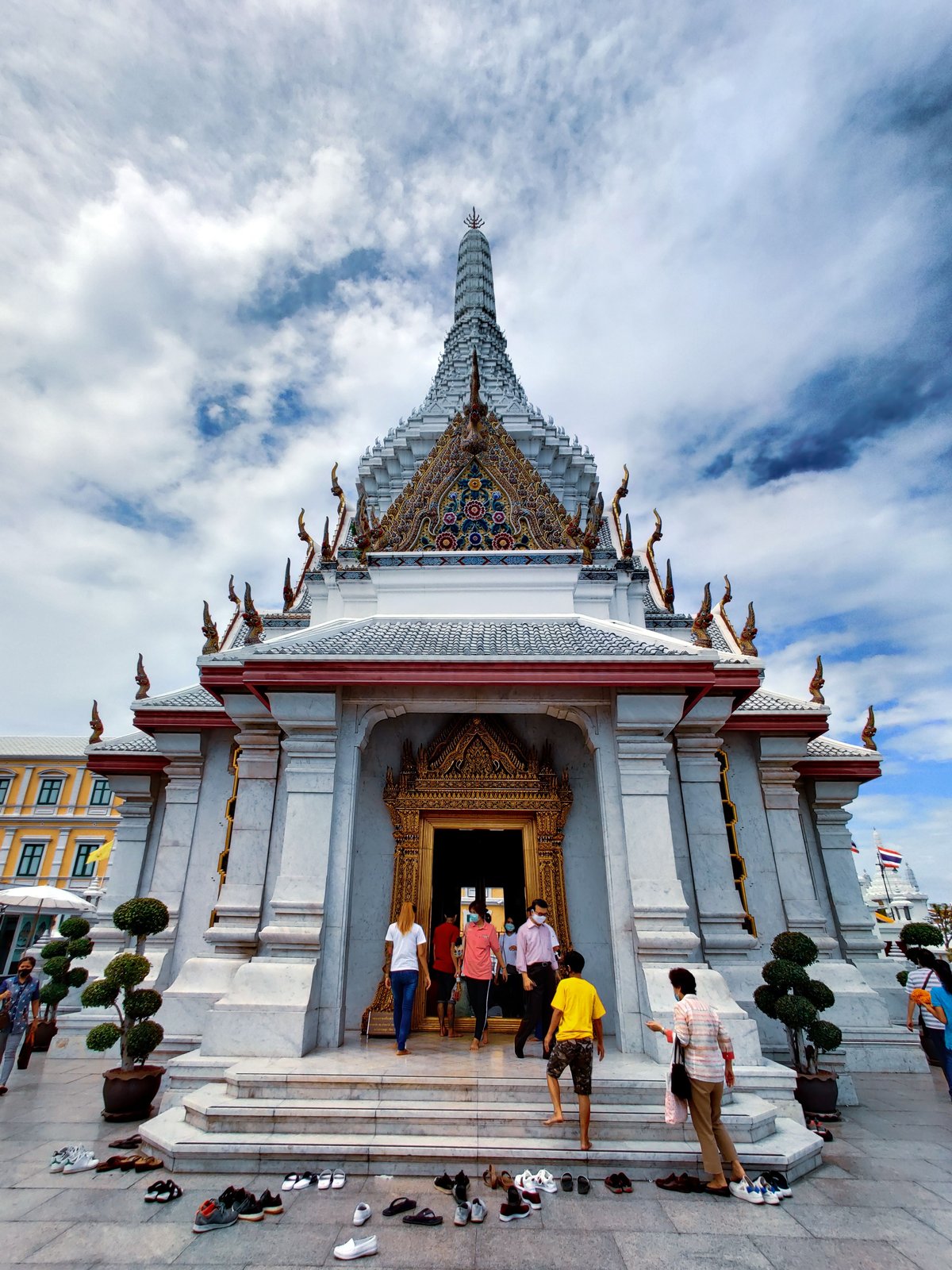
Temples (wats) are active places of worship. Dress modestly — cover shoulders and knees — and remove your shoes before entering temple buildings. Behave quietly and respectfully, don't point your feet at Buddha images or climb on them, and women should never touch a monk or hand something directly to one (place it down for him to pick up). Always treat Buddha images with respect; they're sacred, not décor or photo props.
Saving face and keeping cool
The concept of "face" is central to Thai social life. Public displays of anger, shouting, or aggressive confrontation are deeply frowned upon and rarely achieve anything — they cause everyone to lose face and mark you as ill-mannered. Stay calm, smile, and handle problems gently and patiently, even when frustrated. A composed, good-humored approach gets far better results in Thailand than visible irritation.
Other good-to-knows
A few more: dress reasonably modestly away from the beach, especially in towns and temples (beachwear stays at the beach). Tipping isn't obligatory but is appreciated — round up taxis, leave small change. Don't buy Buddha images as souvenirs or décor; it's culturally and legally sensitive. And use your right hand (or both) when giving or receiving something, as the left is traditionally considered unclean. None of this is hard, and Thais genuinely appreciate visitors who make the effort.
Greetings, photos, and social situations
A few situational notes round out the picture. When taking photos, ask before photographing people, especially monks and in rural areas, and never pose disrespectfully with Buddha images. In social or dining settings, let your host or the eldest person lead, and a small gesture of deference toward older people is always appreciated. Public displays of affection between couples are best kept modest, particularly away from tourist areas. And while bargaining is normal at markets, do it with a smile and good humor rather than aggressively — the relaxed, friendly approach that works everywhere in Thailand applies here too.
The bottom line
Thailand is easygoing, and a friendly, respectful, even-tempered visitor will be warmly received. Master the big one — respect for the monarchy — mind the heads-and-feet and temple rules, keep your cool, and return a wai with a smile, and you'll navigate Thai culture gracefully. These small efforts are noticed and appreciated. For everything else about planning, a live converter helps with budgeting:
100 USD ≈ … THB (enable JavaScript for today's rate)
FAQ
What's the most important etiquette rule in Thailand?
Respecting the monarchy. Lèse-majesté laws make insulting the royal family a serious crime, so never joke about or disrespect the King or royal family, and treat their images (including on money) respectfully.
What is the wai and do I need to do it?
The wai is the traditional greeting — palms together with a slight bow. As a visitor you needn't initiate them, but returning a wai respectfully when greeted is polite and appreciated.
Why are feet and heads a big deal in Thailand?
Culturally, the head is the most sacred part of the body and the feet the lowest. Don't touch people's heads or point your feet at people or Buddha images — easy habits once you know them.
How should I behave at a Thai temple?
Dress modestly (shoulders and knees covered), remove your shoes before entering buildings, stay quiet and respectful, don't point your feet at Buddha images, and women should avoid touching monks.
Keep planning
Not sure how it all fits together?
Pick your trip length and we'll route a real day-by-day plan.