Seven days isn't long for a country this varied, but it's enough to taste the three Thailands most first-timers come for: the temple-and-street-food intensity of Bangkok, and then either the laid-back beaches of the south or the cooler mountains and elephants of the north. This itinerary takes the most popular route — Bangkok plus the southern islands — because it's the easiest first trip to pull off and the one most Americans picture when they think of Thailand. If you'd rather swap the beaches for the north, the structure still works; just fly to Chiang Mai instead of Phuket or Krabi on Day 4.
A quick note before you start booking: Thailand's visa-free rules for U.S. passport holders are in flux in 2026, and the permitted length of a visa-exempt stay has been changing. A week-long trip sits comfortably inside any version of the rule, so this itinerary is unaffected — but always confirm the current entry requirements for your travel date, and file your free Thailand Digital Arrival Card (TDAC) online before you fly.
Days 1–3: Bangkok
Most flights from the U.S. route through East Asia or the Middle East and land at Suvarnabhumi (BKK) in the late evening or early morning, so treat Day 1 as an arrival day. Get to your hotel, grab a first bowl of noodles, and sleep off the jet lag — you're roughly 11–12 hours ahead of the East Coast, and fighting it never works.
Where to base yourself
For a first visit, Sukhumvit (around the Asok or Thonglok BTS stations) is the easiest landing zone: it sits on the Skytrain, and it's wall-to-wall restaurants and rooftop bars. If you'd rather be among the temples and the river, base in the Riverside / Old Town (Rattanakosin) area instead — more atmospheric, though further from the metro.
Day 2: the temple core
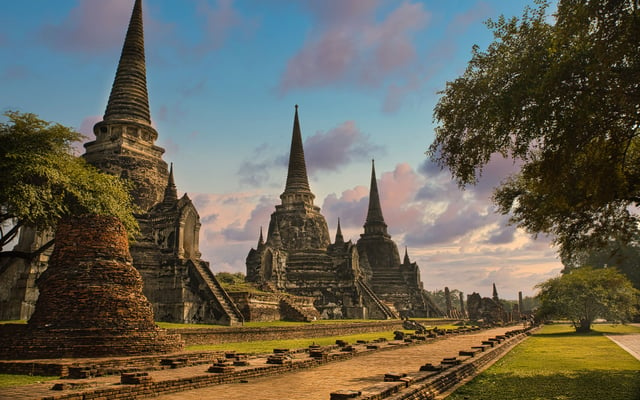
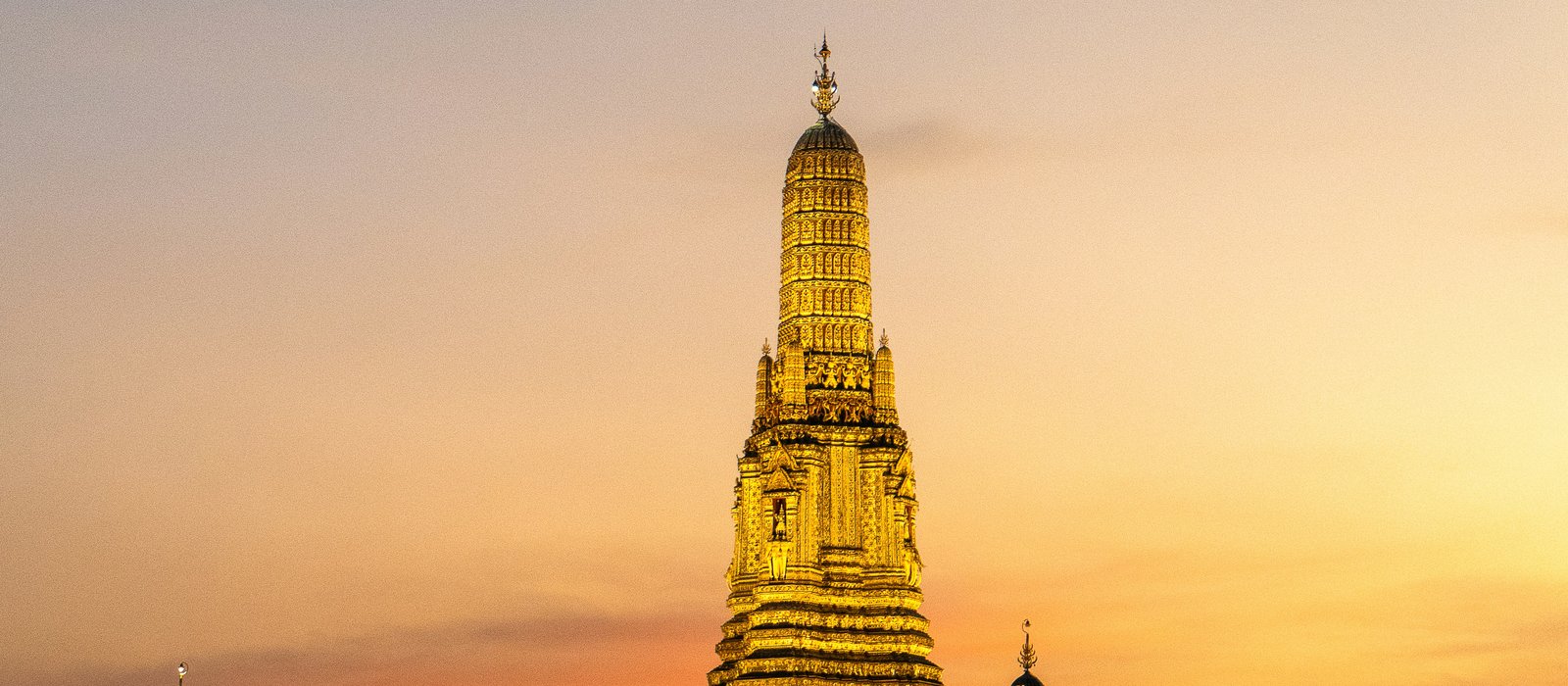
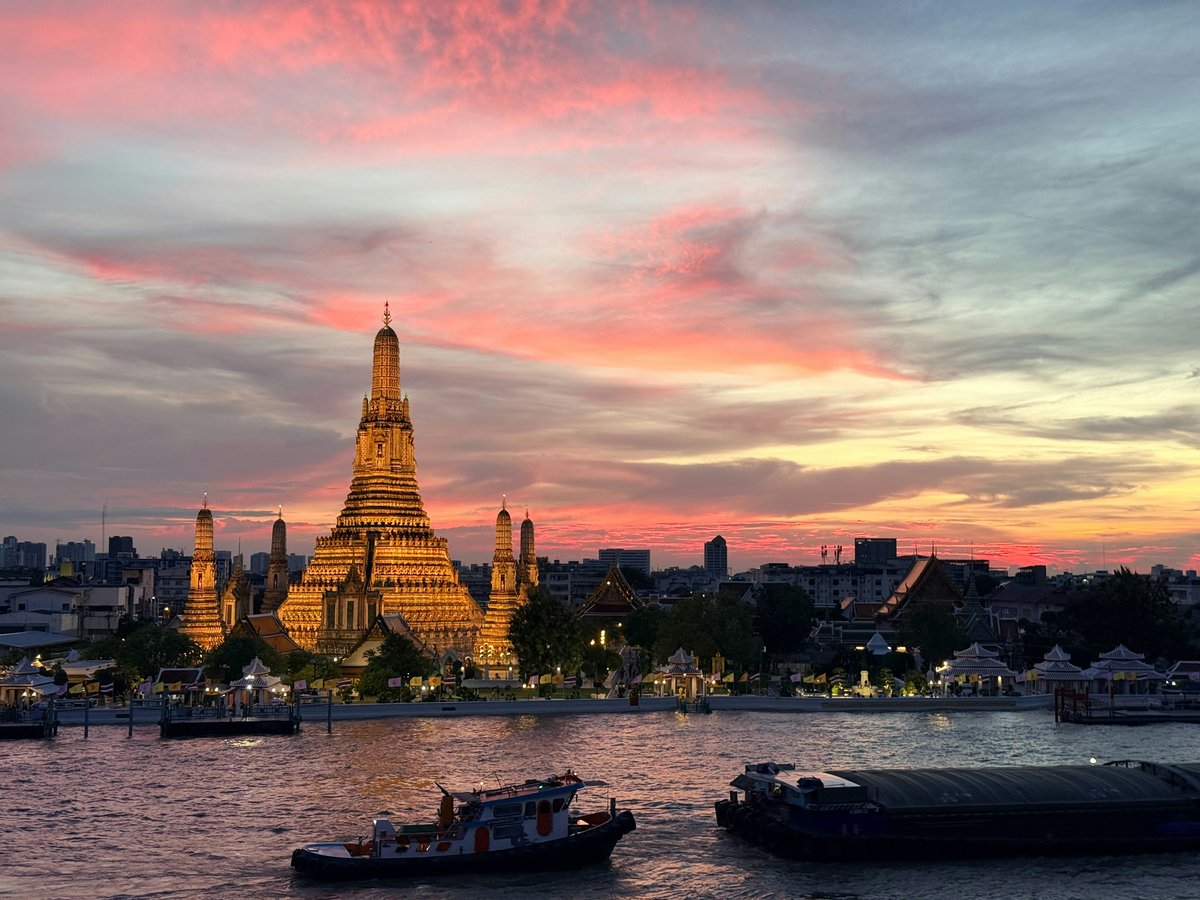
Start early at the Grand Palace and Wat Phra Kaew (home of the Emerald Buddha) before the heat and crowds peak — and dress for it: shoulders and knees covered, or they won't let you in. From there it's a short walk to Wat Pho and its enormous Reclining Buddha, the spiritual home of Thai massage. Cross the river by ferry in the late afternoon for Wat Arun, the Temple of Dawn, which glows at sunset. Cap the night with a rooftop bar in Silom or a street-food crawl through Chinatown (Yaowarat).
Day 3: markets and a slower pace
If it's a weekend, spend the morning at the vast Chatuchak Weekend Market; midweek, swap in the Jim Thompson House for a calmer look at Thai silk and traditional teak architecture. Use the afternoon to do whatever Bangkok thing you've been eyeing — a canal long-tail boat ride, a cooking class, a spa — then pack, because tomorrow you fly south.
Days 4–6: the southern islands
On the morning of Day 4, catch a short domestic flight south. Phuket (HKT) and Krabi (KBV) are both about 1.5 hours from Bangkok and serve as gateways to the Andaman coast's headline scenery; carriers like Thai AirAsia, Nok Air, and Bangkok Airways run the routes frequently and cheaply. Krabi is the better pick if you want dramatic limestone cliffs and a slightly mellower scene; Phuket if you want more nightlife, resorts, and direct boat connections.
Day 4: arrive and settle
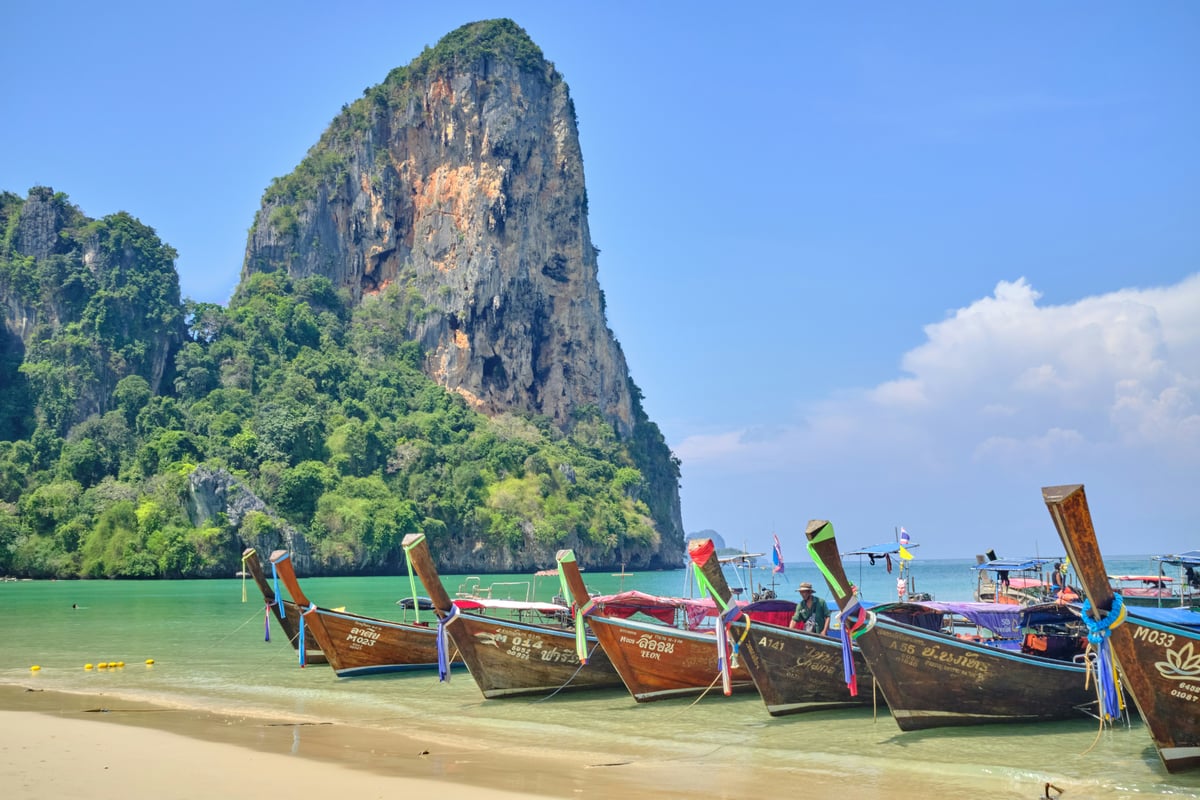
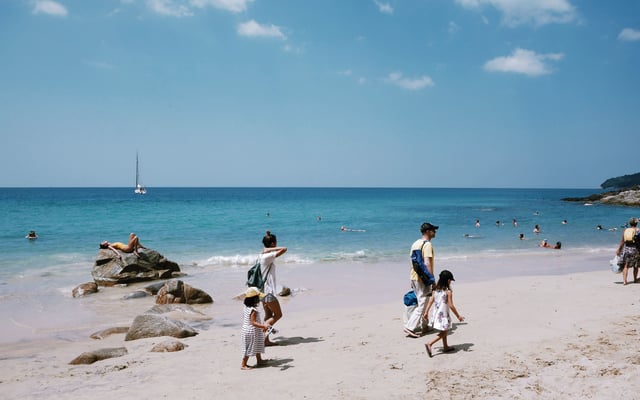
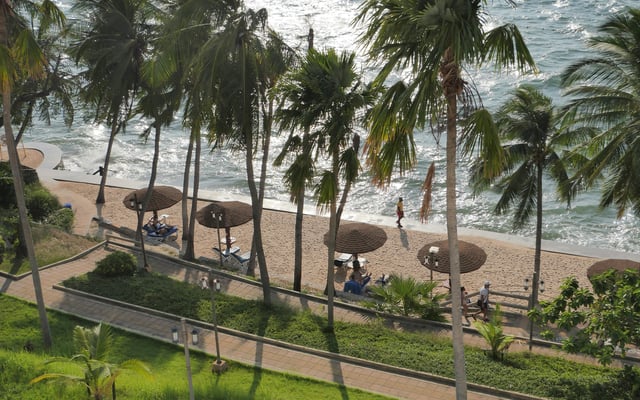
Fly down, check in, and spend the afternoon on the beach or by the pool. If you're in Krabi, base in Ao Nang for convenience or Railay for the cliffs (Railay is reachable only by boat — part of its charm). In Phuket, Kata or Karon beach are calmer family-friendly bases, while Patong is the loud, lively one.
Day 5: island-hopping
This is the day you came for. From either base you can take a longtail or speedboat day trip to the Phi Phi Islands, Phang Nga Bay (the "James Bond Island" karsts), or the Hong Islands lagoons. Book a small-group or private boat the day before, go early to beat the crowds, and bring reef-safe sunscreen.
Day 6: your own pace
Use Day 6 to do nothing in particular — a second beach, a snorkeling trip, a massage, a sunset longtail. In the evening, fly back to Bangkok (or position yourself for an onward connection). A late flight north keeps Day 6 fully on the beach.