Chiang Mai is far smaller and more relaxed than Bangkok, which makes choosing a base easier — but the neighborhood you pick still shapes your trip, from temple-hopping convenience to café culture to riverside calm. Here's a guide to the city's main areas and who each one suits.
The Old City — best for first-timers and temples
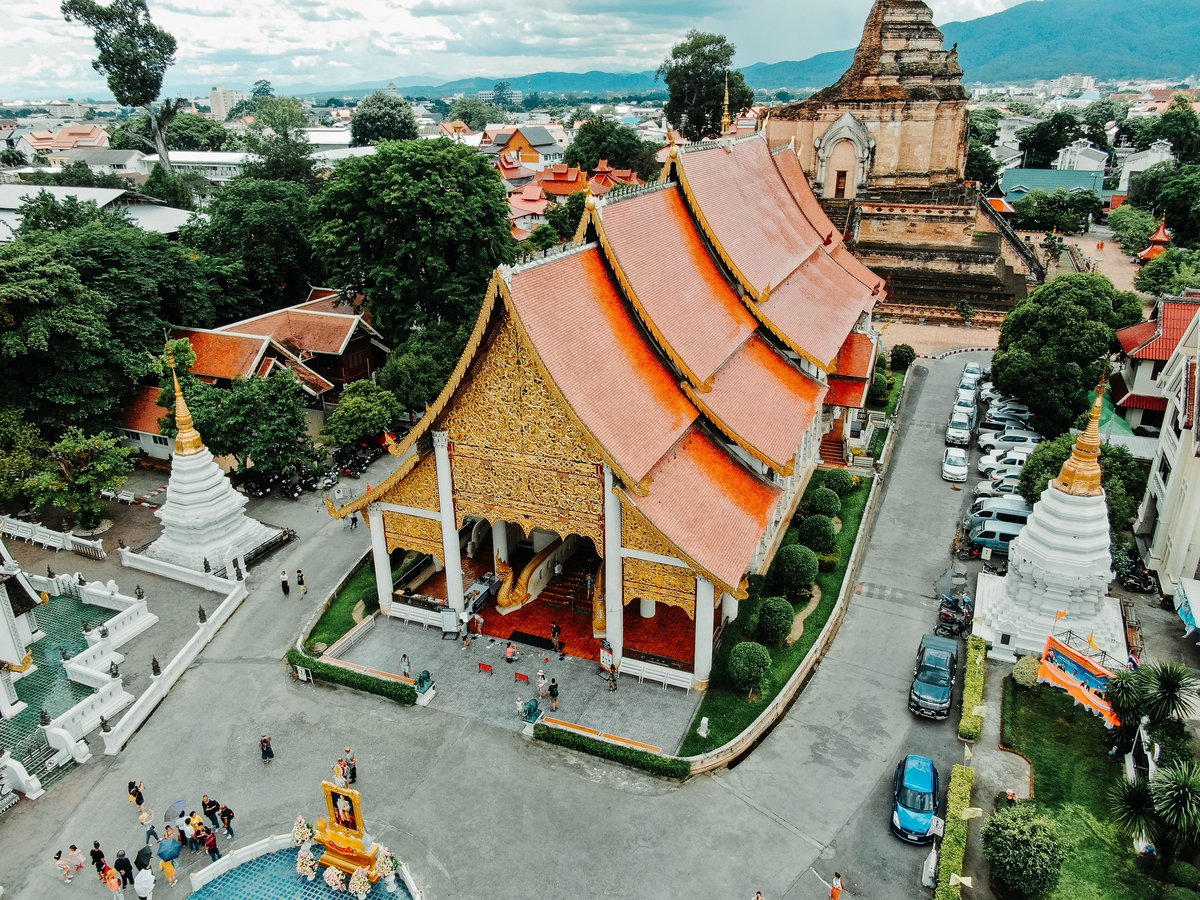
The historic heart of Chiang Mai is a square, moated Old City packed with ancient temples, guesthouses, cafés, and the famous Sunday Walking Street market. For most first-time visitors, this is the ideal base: you can walk to dozens of temples (Wat Chedi Luang, Wat Phra Singh), it's full of character, and it's central to everything. Accommodation ranges from budget guesthouses to boutique hotels in restored teak buildings. If you want to be in the thick of old Chiang Mai, stay here.
Nimmanhaemin (Nimman) — best for cafés, design, and nightlife
West of the Old City near the university, Nimman is Chiang Mai's trendy, modern district: specialty coffee shops, design boutiques, rooftop bars, co-working spaces, and a young, stylish crowd (including many digital nomads). It's less historic but more contemporary and lively, with excellent dining. Choose Nimman if you want café culture, modern hotels, and a bit of nightlife over temple-side atmosphere.
The Riverside — best for scenery and calm
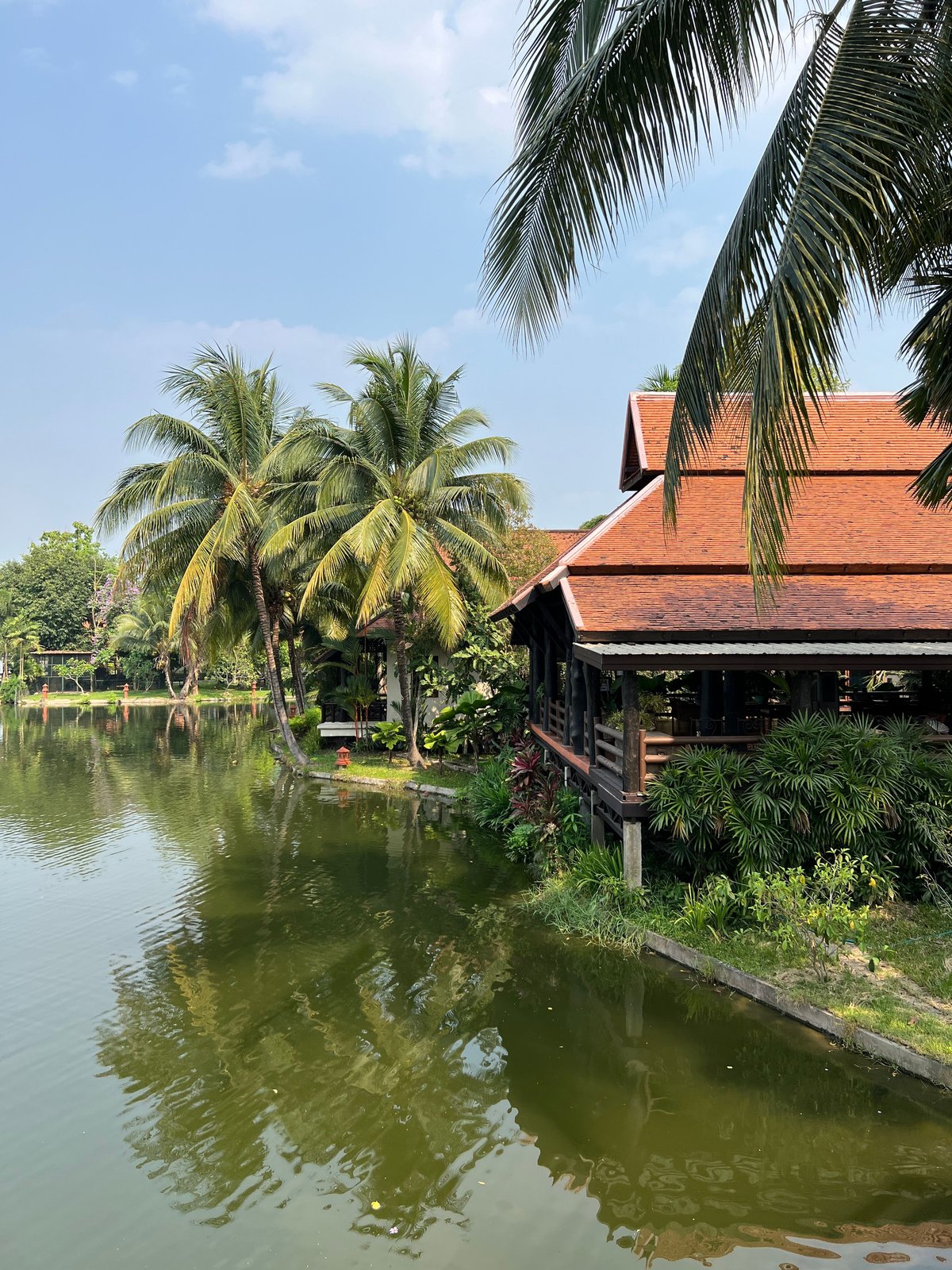
Along the Ping River east of the Old City, the Riverside area (around Wat Ket) is quieter and more scenic, with leafy lanes, riverside restaurants, and some lovely boutique hotels and resorts. It's a little removed from the temple core but peaceful and atmospheric — a good pick for a relaxed, romantic, or slower-paced stay.
The Night Bazaar area — best for markets and convenience
Between the Old City and the river, the Night Bazaar district is a busier, more commercial zone centered on its famous nightly market. It's convenient and has plenty of hotels, though it lacks the charm of the Old City or the style of Nimman. It suits travelers who want shopping and a central location and don't mind a more workaday feel.
Getting around from each base
Wherever you stay, Chiang Mai is wonderfully easy to navigate. Songthaews — shared red pickup trucks — run informal routes for a small flat fare and can be flagged down anywhere; just tell the driver your destination and confirm the price. Grab works well across the city, tuk-tuks handle short hops, and the compact Old City is genuinely walkable. Because the main areas — Old City, Nimman, Riverside, Night Bazaar — all sit within a few kilometers of each other, your choice of base affects atmosphere more than access. You can stay in the quiet Riverside and still be in a Nimman café or an Old City temple within ten or fifteen minutes.
How to choose, quickly
For a first trip, book the Old City — it's central, walkable, and full of the temples and atmosphere you came for. Choose Nimman for cafés, design hotels, and nightlife; the Riverside for calm and scenery; and the Night Bazaar area for market-side convenience. Because Chiang Mai is compact, none of these are far apart — you can easily visit the others wherever you stay.
Old City or outside the moat?
One decision worth making consciously: whether to stay inside the moated Old City or just beyond it. Inside puts you among the temples and the Sunday Walking Street, steps from the historic core, but the lanes are narrow and some streets get noisy. Just outside — in Nimman, along the river, or in the quieter residential pockets near the old walls — often buys you more space, more modern rooms, and a calmer night's sleep, while still leaving you a short songthaew ride from the sights. First-timers who prioritize atmosphere usually choose inside; returning visitors and those who value comfort often drift just outside.
A note on timing and value
Chiang Mai is excellent value, with quality boutique hotels at prices well below Western equivalents. Rates rise during the cool high season (November–February) and around big festivals like Yi Peng and Loy Krathong, when the city fills and the best places book out far ahead. Avoid the burning season (roughly February–April), when air quality drops. Compare current rates rather than a fixed figure, and convert with a live tool:
100 USD ≈ … THB (enable JavaScript for today's rate)
FAQ
Where should I stay in Chiang Mai for the first time?
The Old City — it's central, walkable, and surrounded by temples, with accommodation from budget guesthouses to boutique hotels. It puts you in the heart of historic Chiang Mai.
What's the Nimman area like?
Trendy and modern: specialty cafés, design shops, rooftop bars, and a young crowd including digital nomads. Choose it for café culture and nightlife over temple-side atmosphere.
Is Chiang Mai expensive to stay in?
No — it's great value, with quality boutique hotels well below Western prices. Rates rise in the cool high season and around major festivals, when the best places book out early.
Does it matter which area I choose in Chiang Mai?
Less than in Bangkok, because the city is compact and the areas are close together. Pick by vibe — Old City for temples, Nimman for cafés, Riverside for calm — and you can easily visit the others.